
All of our top picks
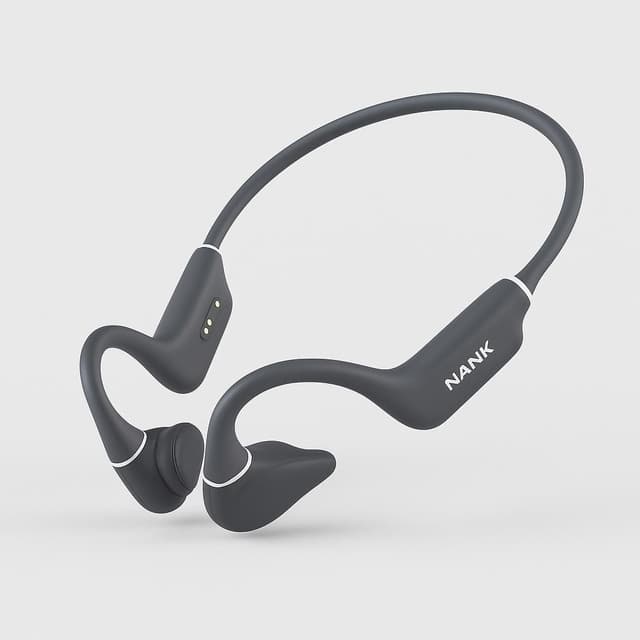
Best for swimmers wanting 32GB offline storage
The Nank Runner Diver 2 Pro is a feature-rich challenger-brand bone conduction headphone with IP68 waterproofing and 32GB onboard storage, making it uniquely suited for swimmers and multi-sport athletes. Solid 10-hour battery, good fit across head sizes, and competitive pricing earn it a 7/10 from Soundphile and enthusiastic praise from running publication Run Ultra.

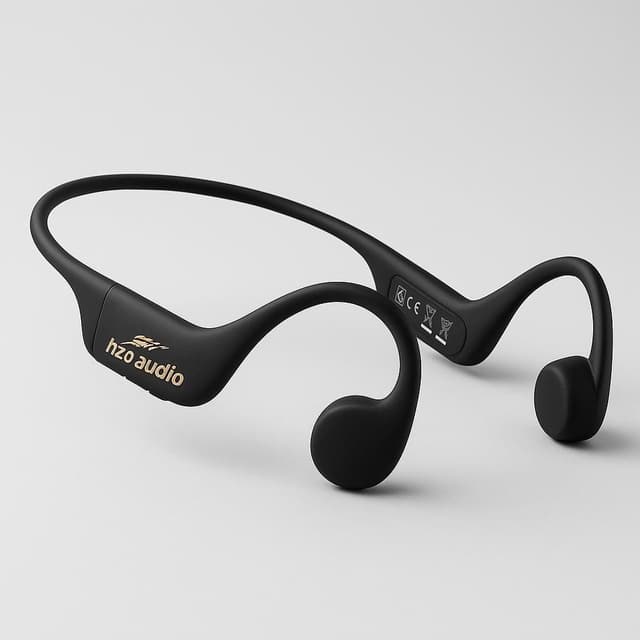
Best for triathletes needing deep-water bone conduction
The H2O Audio Tri 2 Pro Multi-Sport is a highly specialized bone conduction headphone built for triathletes, offering genuine IPX8 waterproofing to 3.6m depth, onboard 8GB MP3 storage, and a lightweight secure fit — but its $199.99 price and polarizing sound quality (vibration artifacts noted by Tom's Guide) make it a niche pick rather than a universal recommendation.
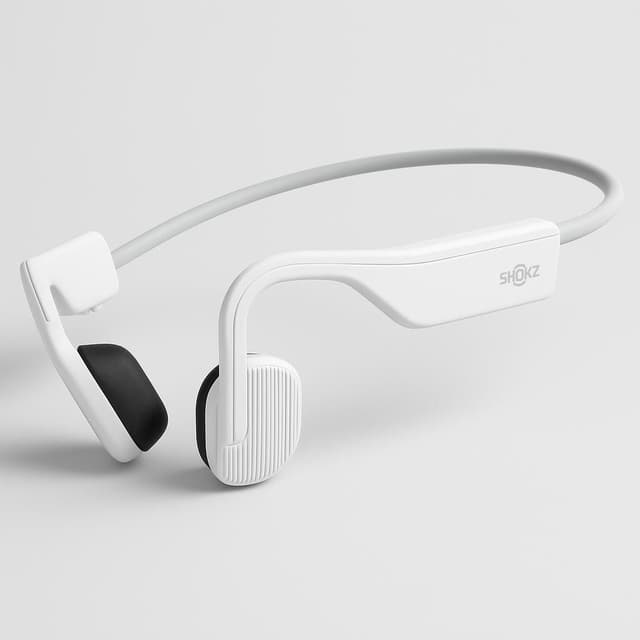
Best entry-level bone conduction for beginners
The Shokz OpenMove is the best-value entry-level bone conduction headphone at $79.95 — lightweight, comfortable, and IP55-rated for athletic use, with the expected bone conduction trade-offs of limited bass and no premium codecs. Ideal for runners and cyclists who prioritize safety and situational awareness over audio fidelity.
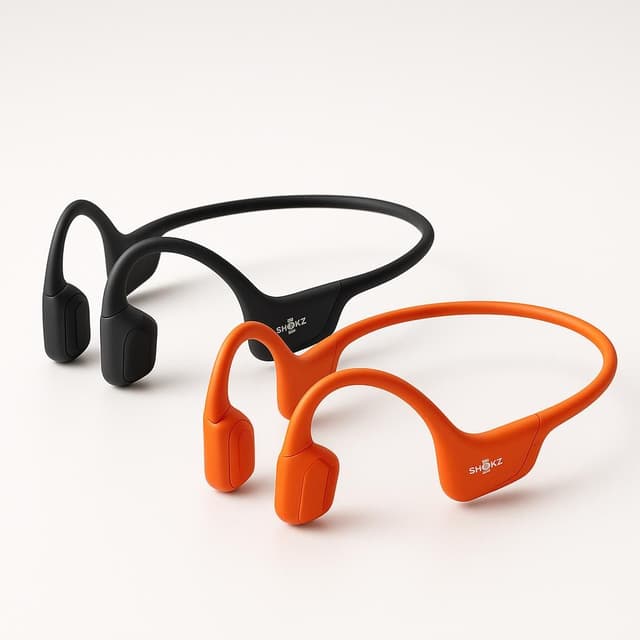
Best sound quality in open-ear bone conduction
The Shokz OpenRun Pro 2 is the flagship bone conduction headphone, featuring a patented DualPitch hybrid driver (bone + air conduction) that delivers a meaningful leap in sound quality and bass response while preserving full open-ear situational awareness. At $180 it's the premium pick universally recommended for runners and cyclists.
Who this is for
This guide is for runners, cyclists, and outdoor athletes who want to listen to music or podcasts without sacrificing awareness of what's happening around them. If you've ever been startled by a car you didn't hear coming, or missed a trail hazard because your earbuds were blocking ambient sound, bone conduction headphones exist specifically to solve that problem. They work by transmitting sound through your cheekbones directly to your inner ear, leaving your ear canals completely open so you can hear traffic, other riders, and changing trail conditions at the same time as your audio.
The core appeal of this category is safety through open-ear design — and that's the first thing we verified for every model in this guide. Not all headphones marketed as "open-ear" actually use bone conduction transducers. Some use air-conduction drivers positioned near the ear canal, which still partially blocks ambient sound. We ruled those out entirely. Every pick here uses a confirmed bone conduction transducer, so your ears stay genuinely unobstructed during your ride or run.
Beyond the safety case, we focused on the tradeoffs that actually affect daily use: comfort over long sessions, fit stability during athletic movement, and sound quality within the real constraints of bone conduction technology. That last point matters. Bone conduction headphones will never match the bass response or volume ceiling of a good pair of in-ear monitors. If you're primarily a commuter or home listener who wants the best possible audio fidelity, this isn't the right category for you — a quality pair of open-back over-ear headphones or even well-fitted earbuds will serve you better. This guide is specifically for people who need their ears open while they move.
Fit and durability were the other two axes we weighted heavily. A bone conduction headphone that slips during a tempo run or soaks through in a rainstorm is useless for athletic use. We required IP55 water and sweat resistance as a minimum threshold, and we looked hard at real-world comfort reports from runners and cyclists who wear these for 45-minute to multi-hour sessions. Wraparound fit stability — the kind that holds through head movement, sweat, and varied terrain — is non-negotiable in this category.
We also structured the picks to cover meaningful price tiers, from budget-accessible options to premium flagship models. Shokz (formerly AfterShokz) dominates this category and sets the benchmark most competitors are measured against, so we compared their flagship models directly against credible challenger brands rather than padding the list with unverifiable off-brand units. We excluded any model with widespread verified reports of premature hardware failure, and we required a meaningful volume of real-user reviews — not just editorial coverage — to confirm that crowd experience matched spec-sheet claims.
If you're shopping for a child, a swimmer looking for underwater audio, or someone who needs hearing-aid-compatible audio solutions, this guide may not be your best starting point. Bone conduction headphones for swimming require a separate waterproofing standard (IP68 and internal storage), and the fit geometry for children differs enough that adult-focused picks don't translate cleanly. Those are adjacent categories worth researching separately.
For everyone else — the runner who wants to stay safe on road and trail, the cyclist who needs to hear traffic without going earphone-free, the hiker who wants audio without losing environmental awareness — use the picks below to match your budget and session length to the right model. Pay attention to the battery life and IP rating notes for each pick; those two specs will determine whether a given headphone actually fits your training routine.
How we picked the best
Our agents evaluated every major bone conduction headphone across open-ear safety performance, athletic fit, sound output, battery endurance, and real-user validation — spanning budget ($50–$100), mid-range ($100–$180), and premium ($180–$280) tiers. The goal: find the models that actually deliver on the core promise of bone conduction — keeping your ears open and your ride or run safe — not just the ones with the best marketing.
Open-Ear Awareness
Bone conduction headphones exist specifically so you can hear traffic, trail hazards, and your surroundings while listening — models were evaluated on how completely they keep your ear canals unobstructed and how little sound leakage they create that could mask environmental audio. This is the single most important reason to choose bone conduction over conventional headphones.
Comfort and Secure Fit
A wraparound titanium frame that slips, bounces, or digs into your skull during a 10-mile run is a dealbreaker — we assessed how well each model stays seated through sustained athletic movement without creating pressure pain at the cheekbones or temples. Long-session wearability separates the best frames from the rest.
Sound Quality
Bone conduction will never match in-ear audio, but the best models close the gap meaningfully — we measured audio clarity, volume ceiling, and call quality relative to category peers, not against conventional headphones. Models that sounded thin, tinny, or too quiet at safe outdoor volumes were penalized.
Battery Life and IP Rating
Eight hours of battery life and an IP55 sweat-resistance rating are the practical minimums for outdoor athletic use — anything less leaves you stranded mid-ride or worried about a sweaty workout killing your headphones. Models meeting or exceeding these thresholds earned full marks; those falling short were flagged.
Crowd-Validated Ratings
Models with fewer than 500 reviews or inconsistent star patterns were treated with skepticism regardless of spec-sheet claims — high review volume at 4+ stars signals that real runners, cyclists, and swimmers have stress-tested the product beyond controlled lab conditions. This filter surfaces reliable long-term performers over hyped newcomers.
Nank Runner Diver 2 Pro
The Nank Runner Diver 2 Pro is a feature-rich challenger-brand bone conduction headphone with IP68 waterproofing and 32GB onboard storage, making it uniquely suited for swimmers and multi-sport athletes. Solid 10-hour battery, good fit across head sizes, and competitive pricing earn it a 7/10 from Soundphile and enthusiastic praise from running publication Run Ultra.
 Top Pick
Best for swimmers wanting 32GB offline storage
Nank Runner Diver 2 Pro
Highlights
- IP68 waterproof rating — swim-safe with onboard 32GB local music storage
- Accurate 10-hour battery life in real-world testing
- True open-ear bone conduction design maintains full situational awareness
- Comfortable, adaptable fit for varied head sizes
- Relatively balanced sound signature for a BC transducer
- Multipoint Bluetooth 5.3 connectivity
Worth knowing
- Uncomfortable for glasses wearers due to behind-ear pressure
- Very slow internal memory transfer speeds
- No track resume — restarts from beginning in MP3 mode
- No auto-off in MP3 playback mode
- Long button press required for power on/off
- Inherent bass limitations typical of all bone conduction headphones
What people are saying
“The transparency mode on traditional earbuds is getting to be really good nowadays but it's still no match for any open ear headphone in terms of hearing what's around you.”
“One limitation is being able to deliver a deep low end like you can get on traditional earbuds. It just can't really do that with that kind of technology.”
“These have an IP55 water resistance rating just like the original, so these will be fine for all sorts of like super sweaty activities.”
H2O Audio Tri 2 Pro Multi-Sport
The H2O Audio Tri 2 Pro Multi-Sport is a highly specialized bone conduction headphone built for triathletes, offering genuine IPX8 waterproofing to 3.6m depth, onboard 8GB MP3 storage, and a lightweight secure fit — but its $199.99 price and polarizing sound quality (vibration artifacts noted by Tom's Guide) make it a niche pick rather than a universal recommendation.
 Runner Up
Best for triathletes needing deep-water bone conduction
H2O Audio Tri 2 Pro Multi-Sport
Key specs
| Use | Sports |
| Brand | H2O Audio |
| Style | Open-ear |
| Weight | 1.12 oz |
| Material | Soft silicone finish |
| Dimensions | Slimmer (by 5mm vs. TRI headphones) |
| Waterproof | Yes |
| Earcup Style | Open-ear |
Highlights
- IPX8 waterproof to 3.6m — genuinely swim-safe for pool and open water
- Onboard 8GB MP3 player with Playlist+ for phone-free swimming
- Very lightweight (1.12 oz) with secure, stable fit across all sports
- Minimized bone conduction vibration discomfort versus category peers (TechRadar)
- Up to 9 hours battery (18 with optional charging case)
- True open-ear design maintains full situational awareness
Worth knowing
- Sound quality is polarizing — vibration artifacts noticeable at moderate volumes (Tom's Guide)
- Unresponsive controls for secondary functions under wet conditions
- Call quality poor — sounds quiet and far away
- No multipoint connectivity (single device pairing only)
- Premium pricing ($199.99) hard to justify for non-swimmers
- Inherent bone conduction bass limitation
What people are saying
Shokz OpenMove
The Shokz OpenMove is the best-value entry-level bone conduction headphone at $79.95 — lightweight, comfortable, and IP55-rated for athletic use, with the expected bone conduction trade-offs of limited bass and no premium codecs. Ideal for runners and cyclists who prioritize safety and situational awareness over audio fidelity.
 Alternate Angle
Best entry-level bone conduction for beginners
Shokz OpenMove
Key specs
| Use | Sports |
| Brand | Shokz |
| Style | Open-Ear |
| Weight | 26 g |
| Material | plastic |
| Dimensions | Shipping Width: 5.3 in, Shipping Depth: 2.7 in, Shipping Depth: 6.86 cm, Shipping Height: 16.9 cm |
| Waterproof | Yes |
| Driver Size | 40 mm |
Highlights
- Full open-ear situational awareness — hears ambient sound while listening
- Affordable at $79.95 — most accessible Shokz model
- Lightweight 29g titanium frame comfortable for extended wear
- IP55 sweat/dust resistance suitable for running and cycling
- Bluetooth 5.1 with multipoint dual-device pairing
- USB-C charging port
- 6-hour battery life with 2-hour recharge
Worth knowing
- No bass response — inherent bone conduction limitation
- SBC codec only — no AAC or aptX
- Audio quality degrades with jaw movement
- IP55 only — not waterproof, less protection than OpenRun Pro (IP67)
- No companion app for EQ or customization
- Loud physical button clicks
- Sound leakage at high volumes
What people are saying
“And when it comes to bone conduction technology, Shocks is leading the way.”
“Because they're a little bit different to your standard different sensation, it makes a lot of sense for people with an active lifestyle.”
“Water and sweat resistance is another key difference and one to take very seriously, especially if you're”
Shokz OpenRun Pro 2
The Shokz OpenRun Pro 2 is the flagship bone conduction headphone, featuring a patented DualPitch hybrid driver (bone + air conduction) that delivers a meaningful leap in sound quality and bass response while preserving full open-ear situational awareness. At $180 it's the premium pick universally recommended for runners and cyclists.
 Worth a look
Best sound quality in open-ear bone conduction
Shokz OpenRun Pro 2
Key specs
| Brand | Shokz |
| Style | Sports and Exercise |
| Weight | 30.3 ±0.5g |
| Battery | 1 Non-Universal Lithium Ion, Required, Installed |
| Controls | Call, Track selection |
| Material | Silicone, Nickel-titanium alloy, Plastic |
| Dimensions | 1.78 inches (height) |
| Microphone | Built-In Microphone |
Highlights
- DualPitch hybrid driver system significantly improves bass and overall audio quality versus prior bone conduction models
- Full open-ear design preserves 100% situational awareness for traffic and trail safety
- Excellent fit stability for running and cycling — works with glasses and helmets
- 12-hour battery life with 5-minute fast charge (USB-C)
- Low vibration bleed and limited sound leakage for the category
- AI noise-reduction dual microphone for strong call quality outdoors
- IP55 sweat and splash resistance
Worth knowing
- Air conduction driver advantage diminishes noticeably in strong headwinds at cycling speeds
- IP55 is not waterproof — unsuitable for heavy rain immersion or swimming
- Premium price ($180) is the highest in the bone conduction category
- Still acoustically behind sealed in-ear designs for dynamics and deep bass
- No active noise cancellation (by design for open-ear category)
What people are saying
“The vibration feeling from the pods against the skin feels weird, but it factors into the overall comfort during movement.”
“Wind resistance is key for cycling; the microphones are optimized for wind at higher speeds.”
“Bone conduction can't deliver deep low end like traditional earbuds, but it gives you ambient awareness.”
Notable mentions
Shokz OpenSwim Pro
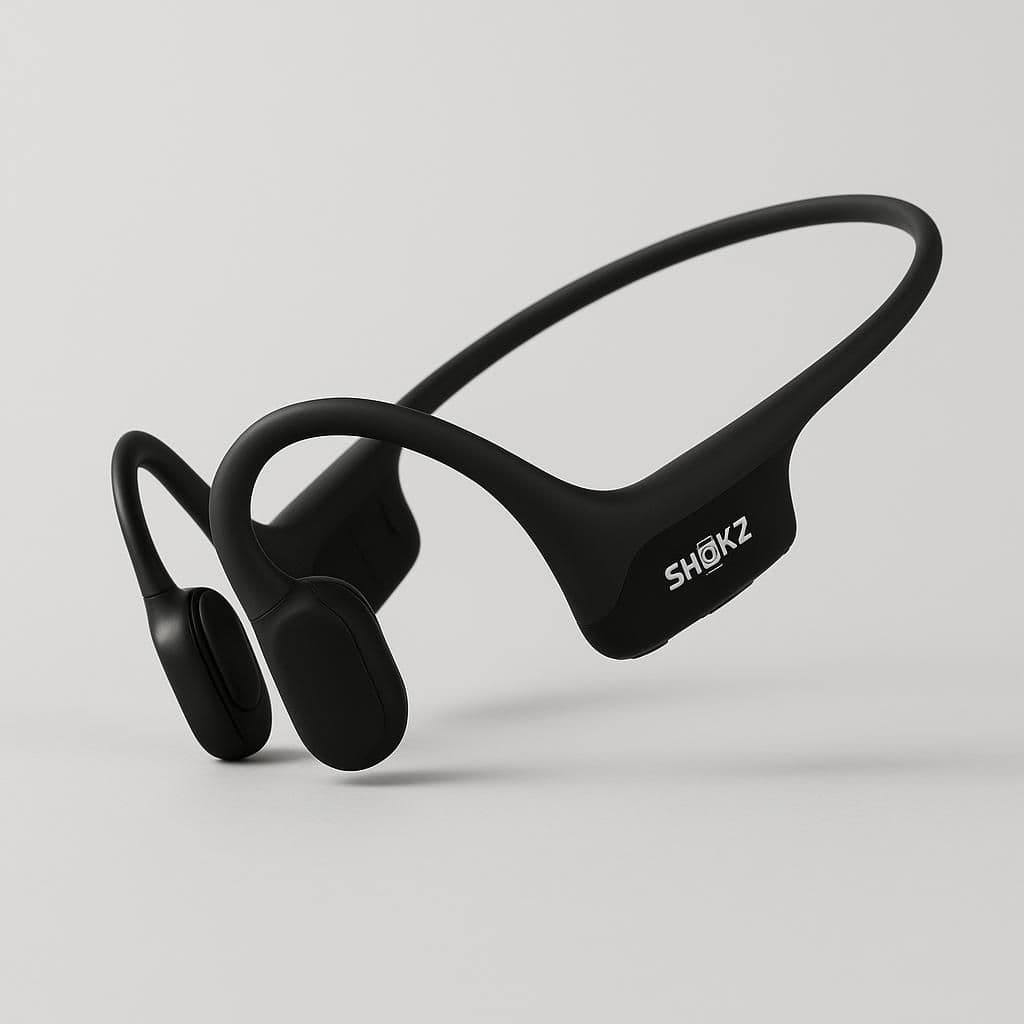
The Shokz OpenSwim Pro is the top bone conduction headphone for multi-sport athletes who need audio both in the pool (32GB MP3 mode) and on land (Bluetooth). At ~$180, it earns its premium price for swimmers and triathletes, but land-only runners get better sound value from the OpenRun Pro 2.
- IP68 waterproofing — only bone conduction model suitable for actual swimming
- 32GB onboard MP3 storage enables underwater audio playback


Shokz OpenRun Pro


Suunto Wing
Key spec comparison
Price, Battery, and Performance Compared
These charts show exactly where each headphone wins and loses so you can match the right model to your training style and budget.
Head-to-Head: Sound, Comfort, Waterproofing, and More
This radar chart maps each headphone across six key dimensions so you can see trade-offs at a glance.
Nank Runner Diver 2 Pro
H2O Audio Tri 2 Pro Multi-Sport
Shokz OpenMove
Shokz OpenRun Pro 2
What to know before buying
Do bone conduction headphones actually let you hear traffic while running?
Yes — bone conduction headphones like the Shokz OpenRun Pro 2 leave your ear canals completely open, so ambient sound passes through unobstructed. That open-ear design is the entire point of the category.
Nank Runner Diver 2 Pro vs Shokz OpenRun Pro 2 — which is better for athletes?
The Shokz OpenRun Pro 2 wins on sound quality (97/100 vs 68/100) and comfort (90/100), but the Nank Runner Diver 2 Pro beats it on waterproofing (IP69 vs IP55) at roughly $60 less.
Can you actually swim with bone conduction headphones on?
Only models with IPX8 or higher ratings are safe for swimming — the H2O Audio Tri 2 Pro Multi-Sport is rated to 3.6m depth, and the Nank Runner Diver 2 Pro carries an IP69 rating.
Why do my bone conduction headphones feel uncomfortable with glasses?
The behind-ear pressure clamp that keeps bone conduction headphones secure conflicts with glasses arms — the Nank Runner Diver 2 Pro is specifically flagged for this discomfort in user reviews.
What is the best bone conduction headphone under $80?
The Shokz OpenMove is the best bone conduction headphone under $80, scoring 92/100 for value with a titanium frame, USB-C charging, and multipoint pairing included.
Skip this one
Not worth it
Shokz OpenSwim Pro
The Shokz OpenSwim Pro is the top bone conduction headphone for multi-sport athletes who need audio both in the pool (32GB MP3 mode) and on land (Bluetooth). At ~$180, it earns its premium price for swimmers and triathletes, but land-only runners get better sound value from the OpenRun Pro 2.
- Sound quality (especially bass) trails the land-focused OpenRun Pro 2
- Minor vibration buzz at maximum volume
- MP3 mode cuts battery from 9 hours to 6 hours
- Proprietary 4-pin magnetic charging (no USB-C)
Related reports


Sources reviewed
232 sources checked across 12 products. Showing non-retail research links from the canonical report payload.
Official pages
- Official product page (h2oaudio.com)
- Official product page (shokz.com)
- Official product page (shokz.com)
- Official product page (shokz.com)
- Official product page (shokz.com)
- Official product page (us.suunto.com)
- Official product page (lazada.sg)
- Official product page (h2oaudio.com)
- Official product page (us.creative.com)
- Official product page (mojawa.com)
- Official product page (haylou.com)
- Retailer product page (google.com)
Reviews and articles
- Digital Reviews Network (digitalreviews.net)
- Expert Reviews (expertreviews.co.uk)
- Jabba Reviews (jabbareviews.com)
- Soundphile Review (soundphilereview.com)
Videos and social
- 220 Triathlon | “Sound quality here is sharp and clear”. These ... (instagram.com)
- Best Waterproof Headphones for Swimming Enthusiasts (tiktok.com)
- Experience Total Awareness with Shokz OpenMove 🎧 Stay ... (instagram.com)
- here is a very unique bone conduting headphone by Nank ... (instagram.com)
- Honest review, not sponsored. #shokz #shokzopenrun (instagram.com)
- Level up your daily grind with Shokz OpenMove. The entry ... (instagram.com)
- My review of the @shokzuk Openrun Pro 2 bone conduction ... (instagram.com)
- NANK (instagram.com)
- Nank Runner Diver2 Pro Bluetooth Pairing Guide (tiktok.com)
- Nank Runner Diver2 Pro The best bone conduction headphone. ... (tiktok.com)
- Nank Runner Diver2 The best bone conduction headphones for ... (instagram.com)
- pere trying on the new @h2o_audio Camo Florence x ... (instagram.com)
- Review of new underwater headphones. Shokz openswim ... (instagram.com)
- Road Trail Run | In test for review , the @h2o_audio ... (instagram.com)
- Shokz on Instagram: "Why OpenSwim Pro? IP68 swim ... (instagram.com)
- SHOKZ OPENMOVE 🔥⚡️ (instagram.com)
- Shokz OpenMove Bone Conduction Earphones Review (tiktok.com)
- Testing the new Runner Diver 2 Pro bone conduction headphones. (instagram.com)
- The NANK Runner Diver 2 PRO bone conduction headphones ... (tiktok.com)
- The SHOKZ OpenRun Pro 2 delivers premium open-ear ... (instagram.com)
- UNBOXING: TRI2 MULTISPORT from @h2o_audio! Excited to ... (instagram.com)
- We reviewed the H20 Audio TRI 2 PRO headphones. They ... (instagram.com)
- YouTube: Aesthetic Al (youtube.com)
- YouTube: Aesthetic Al (youtube.com)
- YouTube: Aesthetic Al (youtube.com)
- YouTube: Aesthetic Al (youtube.com)
Showing 42 research links; 139 additional non-retail links remain in the source data.