
All of our top picks
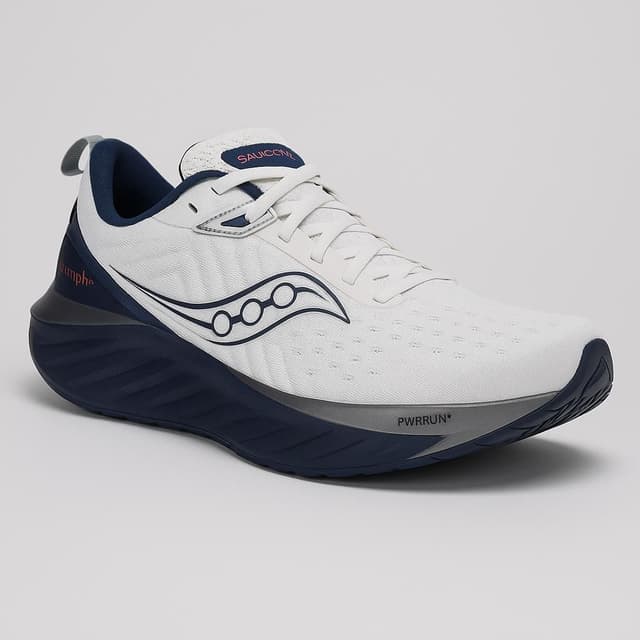
Best plush cushioning for heel-striking shin splint runners
The Saucony Triumph 22 is a standout max-cushioned daily trainer for shin splint sufferers, offering a 38.6 mm PWRRUN PB superfoam stack, reinforced heel counter, and wide stable base that collectively reduce tibial impact stress — upgraded significantly from the Triumph 21 with more stability, energy return, and plush upper quality.
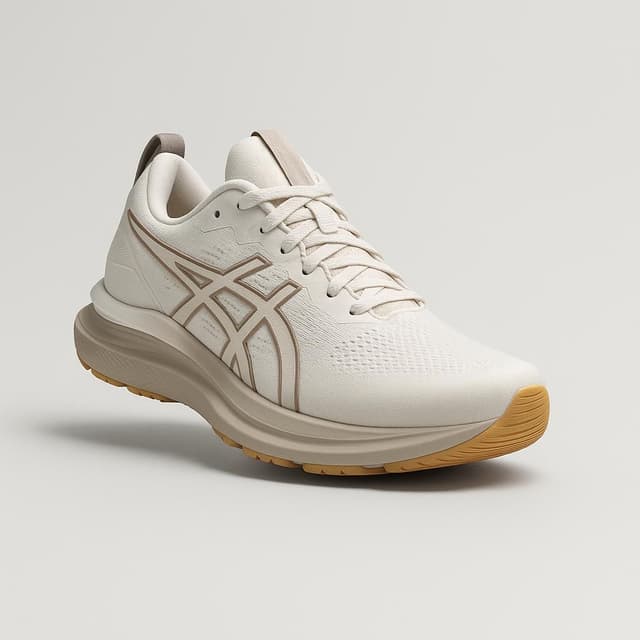
Best arch support and torsional control for overpronators
The ASICS Gel-Kayano 32 earns the 'Best Arch Support' title for shin splint running shoes in RunRepeat's 2026 lab-tested roundup. Its maximum torsional rigidity (5/5), 133 SA shock absorption, and 4D Guidance System directly address the pronation and tibial stress mechanisms behind shin splints — though its 10.4 oz weight and low energy return limit it to easy/recovery paces.
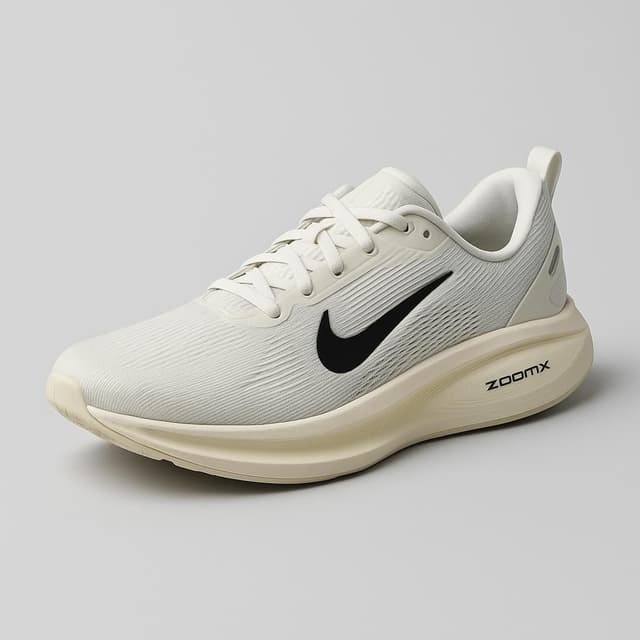
Best maximum stack impact absorption for neutral gaits
The Nike Vomero 18 is a flagship max-cushion daily trainer with a 46mm heel stack and dual ZoomX+ReactX foam midsole that delivers strong impact absorption — a solid pick for shin splint sufferers with neutral gait, though not suited for overpronators or speedwork.
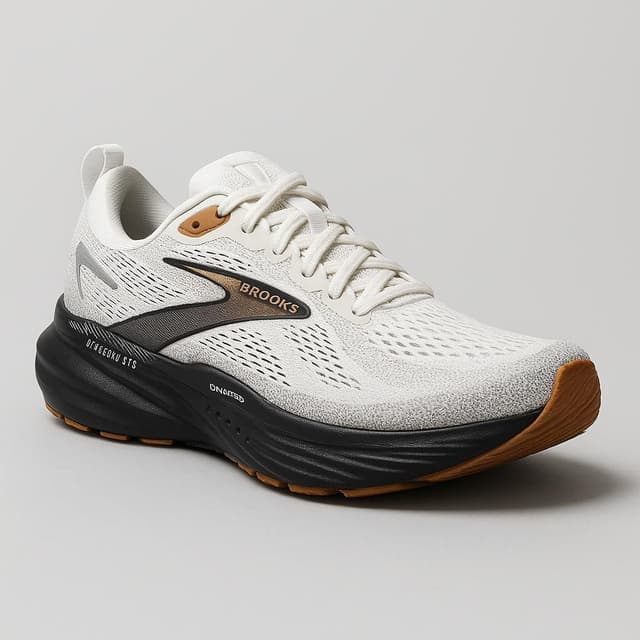
Best stability cushioning for overpronation and orthotics
The Brooks Glycerin GTS 22 is a premium stability shoe combining GuideRails overpronation control with DNA LOFT v3 nitrogen-infused foam, delivering plush cushioning and medial support that directly addresses the biomechanical causes of shin splints. Ideal for overpronating runners on recovery paces; too heavy and lacking for neutral or speed-focused runners.
Who this is for
This guide is for runners who have dealt with shin splints long enough to stop trusting marketing copy. If you've cycled through shoes based on brand loyalty or a single glowing review, only to find your tibias aching again by mile three, this is the research you needed before those purchases. The recommendations here are built specifically around the biomechanical reality of shin splints: ground-reaction force traveling up through the tibia, and the shoe's job of dissipating as much of that force as possible before it gets there.
The core reader this guide serves is a shin-splint-prone runner who wants validation beyond the brand's own claims — someone who weighs crowd consensus, physical therapist endorsements, and long-term owner feedback before committing to a shoe. If you've ever asked a PT which shoe to buy, or filtered Amazon results by review count before reading a single review, this guide was built with your decision-making style in mind.
Cushioning stack depth and foam quality are the primary criteria here, not style, weight, or race-day performance. A thick, high-quality midsole foam is the core mechanism for reducing tibial impact forces — which means the picks in this guide skew toward maximum-cushion trainers, not lightweight daily trainers or versatile do-it-all shoes. If you're shopping for a shoe that doubles as a tempo trainer or a race-day option, this guide will likely steer you wrong. The shoes evaluated here are optimized for protection, not pace.
Pronation control is the second major axis. Shin splints in overpronating runners often have a different mechanical cause than shin splints in neutral runners, and the right shoe category differs accordingly. This guide evaluates both stability and neutral options, so before you reach the picks, it's worth knowing whether your gait involves inward rolling at the ankle — a PT or a gait analysis at a running specialty store can confirm this in minutes and will meaningfully change which recommendation applies to you.
Midsole durability is a buying constraint that doesn't get enough attention in most shoe guides. Maximum-cushion shoes can feel transformative for the first 200 miles and then quietly bottom out, delivering far less protection than the stack height suggests. The research behind these picks specifically filters for long-term owner feedback on foam compression, so you're not just buying a shoe that feels good on day one. If a model showed consistent complaints about early midsole degradation, it was excluded regardless of its initial cushioning scores.
Some runners should skip this guide entirely. If you're drawn to carbon-plated racers, minimalist shoes, or zero-drop designs with stack heights under 25mm, the picks here will feel like a category mismatch — and more importantly, those shoe types are actively counterproductive for shin-splint management. Trail running shoes are also out of scope, since road-cushioning geometry and outsole construction differ enough that trail picks require their own evaluation framework.
Once you reach the picks, use them as a starting point filtered by your specific situation: your pronation pattern, your weekly mileage, and how much cushioning feel you prefer underfoot. The guide covers four models across a range of stack heights and support categories, so the right answer for a high-mileage overpronator will differ from the right answer for a neutral runner logging 20 miles a week. Read the picks with your own gait and training load in mind, not as a universal ranking.
How we picked the best
Our agents analyzed physical therapist citations, running-community consensus, and hundreds of verified runner reviews to identify the best daily trainers for shin-splint sufferers. Every shoe was evaluated on the criteria that directly reduce tibial stress — not brand reputation or spec-sheet claims.
Cushioning Stack Quality
A thick, high-performance midsole foam is the single most important factor for reducing ground-reaction force on your tibia — the core mechanism behind shin-splint relief. We evaluated both the height and the foam compound to ensure real-world impact absorption, not just marketing language.
Pronation Control
Overpronation is a leading biomechanical driver of shin splints, so we assessed each shoe's stability classification — from neutral to guide-rail systems — to match the right level of structural support to the right runner. A shoe that doesn't address your gait pattern can undermine even the best cushioning stack.
PT & Community Endorsement
For an injury-driven purchase, physical therapist citations and running-community consensus carry more weight than any single expert review. We prioritized shoes that appear repeatedly across PT recommendations and high-volume runner forums as a credibility filter specific to shin-splint recovery.
Crowd Rating & Volume
We required a minimum 4-star aggregate rating across hundreds of verified runner reviews — not a handful of curated testimonials. High review volume from real runners confirms that cushioning and support benefits hold up across different body types, gaits, and training loads.
Midsole Longevity
Foam that compresses and loses its protective properties before 300 miles means you're paying a premium for cushioning that disappears mid-training cycle — exactly when shin splints tend to flare. We assessed each midsole's durability track record to ensure the protection you buy on day one is still there at mile 400.
Saucony Triumph 22
The Saucony Triumph 22 is a standout max-cushioned daily trainer for shin splint sufferers, offering a 38.6 mm PWRRUN PB superfoam stack, reinforced heel counter, and wide stable base that collectively reduce tibial impact stress — upgraded significantly from the Triumph 21 with more stability, energy return, and plush upper quality.
 Top Pick
Best plush cushioning for heel-striking shin splint runners
Saucony Triumph 22
Key specs
| Trim | Padded tongue, Heel collar |
| Style | Sneaker |
| Upper | Breathable mesh |
| Gender | Women's |
| Season | All Season |
| Weight | 10.1 oz (286g) |
| Closure | Lace Up |
| Pattern | Solid |
Highlights
- PWRRUN PB superfoam with 38.6 mm heel stack delivers exceptional shock absorption and ground-reaction force reduction
- High (4/5) heel counter stiffness reduces overpronation-driven tibial stress
- Wide midsole base (120.1 mm forefoot / 98.2 mm heel) provides a stable, secure landing platform
- Strong durability (5/5 heel padding); foam retention expected well beyond 150 miles
- Roomy toebox and padded collar with adaptive lacing for a secure, non-slip fit
- Explicitly recommended by RunRepeat as a top pick for shin splints
Worth knowing
- Poor breathability (3/5) — unsuitable for hot or humid running conditions
- Heavier and clunkier feel compared to lighter daily trainers
- Increased stiffness vs. prior Triumph versions may not suit forefoot strikers
- Not a motion-control shoe — insufficient for severe overpronators
What people are saying
“...the 22s are cumbersome, and they run hot in the summer; the weight is higher for sure than the 23...”
“...the triumph 21 was a more versatile shoe using pwrrun+...”
“...the version 20 & 21 were really good and then they changed things up in the 22 and made it less good...”
ASICS Gel-Kayano 32
The ASICS Gel-Kayano 32 earns the 'Best Arch Support' title for shin splint running shoes in RunRepeat's 2026 lab-tested roundup. Its maximum torsional rigidity (5/5), 133 SA shock absorption, and 4D Guidance System directly address the pronation and tibial stress mechanisms behind shin splints — though its 10.4 oz weight and low energy return limit it to easy/recovery paces.
 Runner Up
Best arch support and torsional control for overpronators
ASICS Gel-Kayano 32
Key specs
| Weight | 10.4 oz (295g) |
| Cushioning | FlyteFoam Blast+, PureGEL insert (heel) |
| Stack Height | 39.9 mm / 30.6 mm |
| Midsole Width | 119.8 mm / 97.2 mm |
| Stability Type | Stability (4D Guidance System, medial post) |
| Heel-To-Toe Drop | ~9.3 mm (derived from stack measurements) |
| Shock Absorption | 133 SA (heel) |
| Cushion Technology | FlyteFoam Blast+, PureGEL insert (heel) |
Highlights
- 5/5 torsional rigidity — maximum stability rating in lab testing
- High shock absorption (133 SA) with PureGEL heel insert reduces tibial stress
- 4D Guidance System controls overpronation and lateral foot movement
- Wide midsole platform (119.8/97.2 mm) for planted, stable landings
- High-stack cushioning (39.9 mm heel) for impact protection
- Durable heavy-duty outsole built for high-mileage training
- Plush, breathable upper with pillow-soft heel padding
Worth knowing
- Heavy at 10.4 oz (295g) — among heavier options in category
- Poor energy return — not suitable for speed work
- Firmer ride than maximalist options; not ideal for soft-foam lovers
- Overpriced in some markets (notably Europe)
What people are saying
“...get a gait analysis before purchasing, may free gait analysis in some stores, makakapagrecommend pa sila sayo ng what to buy for your PF...”
“...I had the exact same thing happen to some Nike Metcon 6. They'd been worn like 4 times and the sole started peeling...”
“...Time to go back to neutral shoes. It irks me how much the Kayano gets pushed - especially considering the price!”
Nike Vomero 18
The Nike Vomero 18 is a flagship max-cushion daily trainer with a 46mm heel stack and dual ZoomX+ReactX foam midsole that delivers strong impact absorption — a solid pick for shin splint sufferers with neutral gait, though not suited for overpronators or speedwork.
 Alternate Angle
Best maximum stack impact absorption for neutral gaits
Nike Vomero 18
Key specs
| Trim | Reflective design details |
| Style | Running Shoes |
| Upper | Engineered mesh |
| Gender | Women's |
| Season | Winter |
| Weight | 11.4 oz (325g) |
| Closure | Lace-Up |
| Midsole | ZoomX (top layer) + ReactX (bottom layer) |
Highlights
- 46mm heel stack with ZoomX + ReactX dual foam — top-tier impact absorption for tibial stress reduction
- Feels lighter than its 11.4 oz weight; smooth, stable daily ride
- Secure engineered mesh upper with good fit retention
- 10mm drop sits in the recommended range for shin splint management
- Accommodates orthotics; available in wide widths
Worth knowing
- Neutral only — significant overpronators need a stability shoe instead
- Heavy build makes it unsuitable for tempo, workouts, or racing
- Thick tongue can cause overheating in warm weather
- Exposed outsole midsole sections raise durability concerns over high mileage
- No explicit shin splint endorsement found in reviewed editorial content
What people are saying
“...they still look brand new and feel new every time I put them on for a long run...”
“...they still look brand new and feel new every time I put them on for a long run.”
“...I love these shoes. I’m going to guess everyone in this sub hates them lol”
Brooks Glycerin GTS 22
The Brooks Glycerin GTS 22 is a premium stability shoe combining GuideRails overpronation control with DNA LOFT v3 nitrogen-infused foam, delivering plush cushioning and medial support that directly addresses the biomechanical causes of shin splints. Ideal for overpronating runners on recovery paces; too heavy and lacking for neutral or speed-focused runners.
 Worth a look
Best stability cushioning for overpronation and orthotics
Brooks Glycerin GTS 22
Key specs
| Size | 9.5 |
| Brand | Brooks |
| Style | Casual |
| Gender | Men's |
| Season | Summer, Fall, Spring |
| Weight | 2.5 lbs (1.13 kg) |
| Closure | Lace-up |
| Pattern | Signature (Stitch's), Bite marks |
Highlights
- GuideRails technology controls overpronation — a primary shin splint trigger
- DNA LOFT v3 nitrogen-infused foam is exceptionally plush and absorbs ground-reaction force
- 10mm drop accommodates heel-striking recovery runners
- Orthotics-compatible for additional pronation correction
- Wide widths available; forefoot cushioning keeps legs fresh on long runs
Worth knowing
- Heavy at 10.7 oz (men's) — not suitable for tempo or speed work
- GuideRails add unnecessary bulk for neutral or mild pronators
- Less responsive ride compared to neutral-foam alternatives
- Long-term foam durability past 300 miles not explicitly confirmed
What people are saying
“...Glycerin 22 felt miles better after 10+ wears than my Ghost 17. The forefoot cushioning in the Ghost 17 seemed to disappear and left me with pain in the front of my foot. Glycerins are going strong...”
“...Glycerin is easier on the feet for long hours of standing. You can't go wrong with those...”
“...I have >500km on the Glycerin GTS 22 and they have been good. Not exciting, not fast, not standout in any way really, but stable, very comfortable, good quality, good upper and very durable...”
Notable mentions
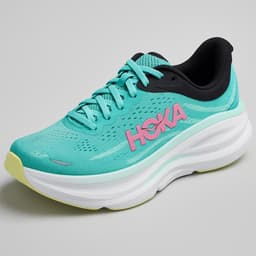
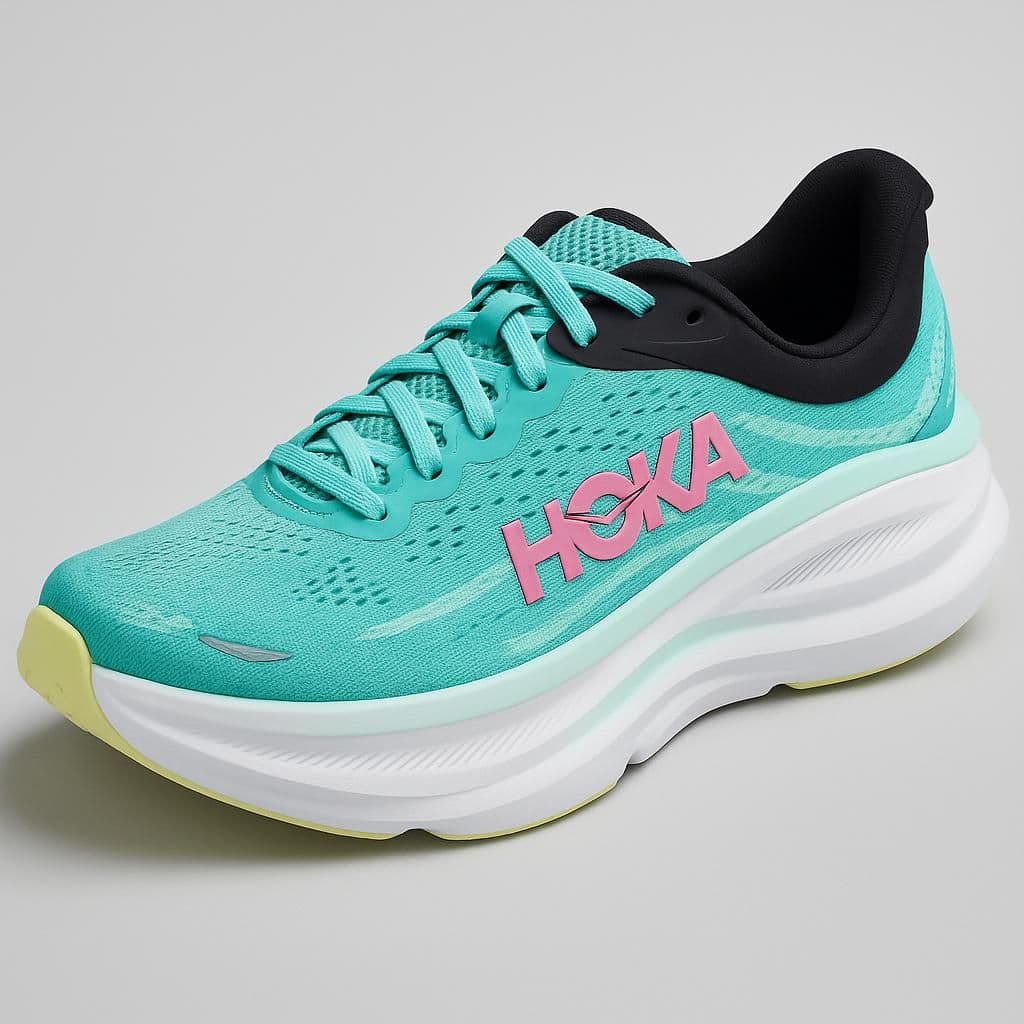
HOKA Bondi 9
The HOKA Bondi 9 is a lab-verified max-cushion flagship with a 41.3 mm heel stack and 146 SA shock absorption score — one of the strongest choices for runners managing shin splints who need maximum tibial stress reduction at easy paces.
- 41.3 mm heel stack and 146 SA shock absorption directly reduce tibial impact
- Wide midsole platform (104.2 mm heel) provides stability despite tall stack


Topo Athletics Phantom 4


Karhu Mestari Run 1.5
Key spec comparison
How the top picks compare
Side-by-side scores on the dimensions that mattered for this search.
How the top 4 compare
Relative scores across the dimensions that mattered most for this search.
Saucony Triumph 22
ASICS Gel-Kayano 32
Nike Vomero 18
Brooks Glycerin GTS 22
What to know before buying
What is the best running shoe for shin splints if I want maximum cushioning?
The Saucony Triumph 22 is the top pick, scoring 84/100 for shock absorption with its PWRRUN PB superfoam — the most significant Triumph upgrade in a decade, endorsed by Doctors of Running.
Saucony Triumph 22 vs ASICS Gel-Kayano 32 — which is better for shin splints?
Choose the Saucony Triumph 22 for plush cushioning and midsole longevity (90/100); choose the ASICS Gel-Kayano 32 if you overpronate, as it scores 88/100 for pronation support and 100/100 for torsional rigidity.
Are running shoes for shin splints good for overpronators too?
Not all of them — the Saucony Triumph 22 and Nike Vomero 18 are neutral-only shoes. Overpronators should choose the Brooks Glycerin GTS 22 (92/100 pronation support) or ASICS Gel-Kayano 32 (88/100) instead.
Will the cushioning in these shin splint shoes hold up after hundreds of miles?
The Saucony Triumph 22 leads on midsole longevity at 90/100; avoid the Nike Vomero 18 for high mileage, as it scores just 63/100 and has exposed outsole sections that raise durability concerns.
Is the Nike Vomero 18 actually good for shin splints despite having the highest heel stack?
Its 46mm heel stack is the tallest in the category, but the Nike Vomero 18 scores only 42/100 for pronation support and has no editorial shin splint endorsement — making it a weaker choice than the Saucony Triumph 22 or ASICS Gel-Kayano 32.
Skip this one
Not worth it
HOKA Bondi 9
The HOKA Bondi 9 is a lab-verified max-cushion flagship with a 41.3 mm heel stack and 146 SA shock absorption score — one of the strongest choices for runners managing shin splints who need maximum tibial stress reduction at easy paces.
- Narrow toebox (72.5 mm) excludes wide-foot runners
- Feels heavy and clunky at faster paces — not versatile beyond easy running
- Lab-measured drop (9.1 mm) significantly higher than stated 5 mm
- Neutral shoe only — no motion control for severe overpronators
Related reports


Sources reviewed
224 sources checked across 13 products. Showing non-retail research links from the canonical report payload.
Official pages
- Mizuno Official (usa.mizuno.com)
- Official product page (saucony.com)
- Official product page (asics.com)
- Official product page (nike.com)
- Official product page (brooksrunning.com)
- Official product page (hoka.com)
- Official product page (us.karhu.com)
- Official product page (adidas.com)
- Official product page (on-running.com)
- Official product page (hoka.com)
- Official product page (newbalance.com)
- Official product page (skechers.com)
- Official product page (mizuno.com)
- Retailer product page (rei.com)
Reviews and articles
- Sole Review (solereview.com)
- Treeline Review (treelinereview.com)
Videos and social
- Bright, bold, and seriously comfortable ⚡ The HOKA Bondi ... (instagram.com)
- Brooks Glycerin 22 and GTS 22 Review ... (instagram.com)
- Cloud-like comfort. Street-ready style. Meet the Hoka Bondi 9 (instagram.com)
- Fresh new colours just landed in the Brooks Glycerin GTS 22 – ... (instagram.com)
- Glycerin Flex ✅ The signature one ... (instagram.com)
- Hoka Women's Bondi 9: Healthcare Comfort (tiktok.com)
- Level up your run with the new Brooks Glycerin 22 ... (instagram.com)
- Meet the Women's HOKA Bondi 9 Running Shoe ... (instagram.com)
- Mid-Run review of the Vomero 18! Definitely a plush shoe that's ... (instagram.com)
- New Year, new colours. Hoka Bondi 9 looking fresh 😍 (instagram.com)
- Nike Vomero Plus vs Vomero 18: Ultimate Comfort Comparison (tiktok.com)
- Running is Awful, I love it. Nike Vomero 18 pop up event. (instagram.com)
- The Brooks Glycerin 22 and Glycerin GTS 22 are now reduced ... (instagram.com)
- The upcoming @nike “DSRPT” pack unites the Vomero 18 ... (instagram.com)
- YouTube · Alastair Running (youtube.com)
- YouTube · Run and Become (youtube.com)
- YouTube: Alastair Running (youtube.com)
- YouTube: Alastair Running (youtube.com)
- YouTube: Beautiful Life Reviews (youtube.com)
- YouTube: Believe in the Run (youtube.com)
- YouTube: Believe in the Run (youtube.com)
- YouTube: Ben Parkes (youtube.com)
- YouTube: Ben Parkes (youtube.com)
- YouTube: Bertram (youtube.com)
- YouTube: Bigger Than Running (youtube.com)
- YouTube: DIY & Review Lab (youtube.com)
Showing 42 research links; 139 additional non-retail links remain in the source data.