
All of our top picks
Largest mirrorless lens ecosystem (E-mount)
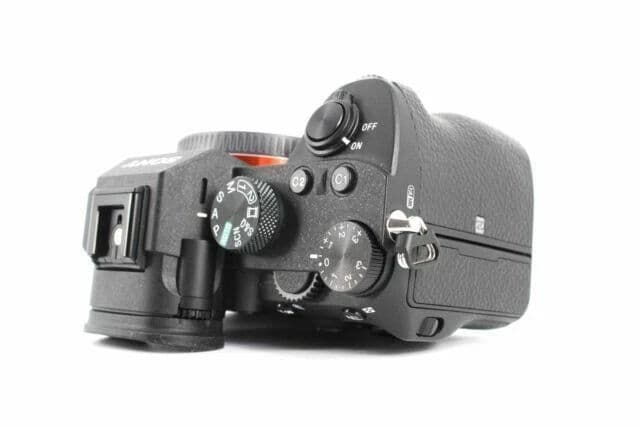
The Sony Alpha a7 IV is a top-tier hybrid mirrorless camera delivering 10-bit 4:2:2 internal video, oversampled 4K from 7K, S-Log/S-Cinetone color science, and best-in-class autofocus — making it an excellent professional video tool, though its 4K/30p full-frame cap and lack of 4K/120p are notable limitations vs. dedicated cinema cameras.
The Canon EOS R5 Mark II is a top-tier hybrid mirrorless camera with 8K 60p RAW video, 6.3ms sensor readout (near-zero rolling shutter), C-Log 2, and 8.5-stop IBIS — making it one of the most capable video cameras in its class, though its ~$3,899 price and noted AF weaknesses in low-light with diverse subjects are real considerations.
The Canon EOS R5 Mark II is a top-tier hybrid mirrorless camera with 8K 60p RAW video, 6.3ms sensor readout (near-zero rolling shutter), C-Log 2, and 8.5-stop IBIS — making it one of the most capable video cameras in its class, though its ~$3,899 price and noted AF weaknesses in low-light with diverse subjects are real considerations.
The a7S III is purpose-built for professional video, delivering unmatched low-light performance and 4K 120p 10-bit recording that no other mirrorless camera in this class can match.
The Sony Alpha a7S III is the definitive low-light video mirrorless camera, offering 4K 120p 10-bit recording with 15+ stops of dynamic range and exceptional LOG/RAW flexibility — the gold standard cinema B-cam for professional filmmakers.
The Panasonic Lumix S1II is the most video-capable mirrorless camera in its class, offering an unmatched cinema-grade toolset (6K/60p, 4K/120p, 10-bit, waveform monitors, false color, real-time LUTs) with excellent dynamic range and 8.0EV IBIS — earning a DPReview Silver Award and a 5/5 long-term rating from The Phoblographer
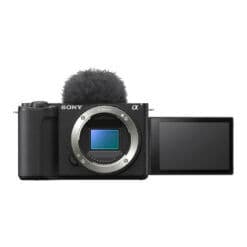
The Panasonic Lumix S1II is the most video-capable mirrorless camera in its class, offering an unmatched cinema-grade toolset (6K/60p, 4K/120p, 10-bit, waveform monitors, false color, real-time LUTs) with excellent dynamic range and 8.0EV IBIS — earning a DPReview Silver Award and a 5/5 long-term rating from The Phoblographer. At $3,199 it commands a significant premium, and its autofocus, while improved, still trails Sony and Canon for fast-action tracking.
How we picked the best
Focus on the elite tier of mirrorless cameras for video recording, priced between $2,500 and $4,000. Prioritize models with 13+ stops of dynamic range, professional-grade LOG profiles, and durable construction. Compare head-to-head on video performance, build quality, and workflow features, disqualifying any models with known durability issues or restrictive ecosystems.
Buy for Dynamic range and LOG profiles, not the spec sheet
The strongest options here separated themselves by consistently delivering on Dynamic range and LOG profiles and build quality and durability. That matters more than chasing the longest feature list if the day-to-day experience is weaker.
Use the runner-up as a tradeoff check
Canon EOS R5 Mark II Mirrorless Camera is the best pressure-test for the winner because it shows what you gain and lose when you optimize a different dimension. If you are tempted by it, make sure that trade is actually tied to your primary use case.
Pressure-test the Dynamic range and LOG profiles claims
Before you buy, look for evidence that directly addresses Dynamic range and LOG profiles rather than relying on brand reputation alone. The right product here is the one that still looks strong after you account for the downside that matters most to you.
Research stats
Sony Alpha a7R IV Mirrorless Camera
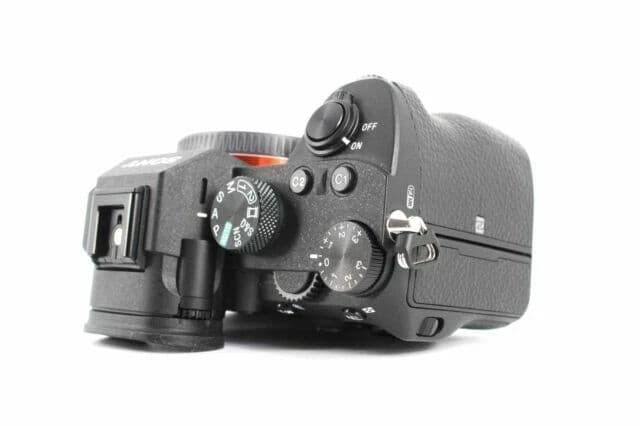
The Sony Alpha a7 IV is a top-tier hybrid mirrorless camera delivering 10-bit 4:2:2 internal video, oversampled 4K from 7K, S-Log/S-Cinetone color science, and best-in-class autofocus — making it an excellent professional video tool, though its 4K/30p full-frame cap and lack of 4K/120p are notable limitations vs. dedicated cinema cameras.
Largest mirrorless lens ecosystem (E-mount)
Sony Alpha a7R IV Mirrorless Camera
Key specs
| Video | 4K/30p (full-width, oversampled from 7K); 4K/60p (Super35/APS-C mode) |
| Sensor | 33MP BSI-CMOS Full-Frame |
| Weight | 659g (CIPA) |
| Autofocus | Real-time Eye AF (human, animal, bird) |
| Bit Depth | 10-bit 4:2:2 (internal) |
| ISO Range | 50–204,800 |
| Burst Rate | 10 fps (lossy Raw); 6 fps (full-DR Raw) |
| Card Slots | 1x CFexpress Type A / UHS-II + 1x UHS-II SD |
Highlights
- 10-bit 4:2:2 internal video with S-Log2, S-Log3, and S-Cinetone color profiles
- Full-width 4K oversampled from 7K for exceptional sharpness and detail
- Industry-leading real-time Eye AF for humans, animals, and birds — reliable in video
- Massive Sony E-mount lens ecosystem — widest native lens selection available
- Fully articulated touchscreen ideal for video work
- 5-axis IBIS rated at 5.5EV for handheld stability
- Dual card slots (CFexpress Type A + UHS-II SD) for professional redundancy
- Excellent low-light performance with clean high-ISO output
Worth knowing
- 4K/60p only available in Super35/APS-C crop mode — full-frame 4K limited to 30p
- No 4K/120p high-frame-rate slow motion capability
- Video stabilization struggles with intentional camera movement
- Can overheat during extended 4K recording sessions
- Rear screen resolution is lower than newer competitors
- Autofocus tracking UI can be confusing to configure
What people are saying
Canon EOS R5 Mark II Mirrorless Camera
The Canon EOS R5 Mark II is a top-tier hybrid mirrorless camera with 8K 60p RAW video, 6.3ms sensor readout (near-zero rolling shutter), C-Log 2, and 8.5-stop IBIS — making it one of the most capable video cameras in its class, though its ~$3,899 price and noted AF weaknesses in low-light with diverse subjects are real considerations.
The Canon EOS R5 Mark II is a top-tier hybrid mirrorless camera with 8K 60p RAW video, 6.3ms sensor readout (near-zero rolling shutter), C-Log 2, and 8.5-stop IBIS — making it one of the most capable video cameras in its class, though its ~$3,899 price and noted AF weaknesses in low-light with diverse subjects are real considerations.
Canon EOS R5 Mark II Mirrorless Camera
Key specs
| EVF | 0.5" OLED, 5.76M dots |
| LCD | 3.2" articulating touchscreen |
| HDMI | Full-size Type-A |
| IBIS | 5-axis, up to 8.5 stops |
| Video | 8K 60p RAW, 4K 60p SRAW, DCI 8K (8192×4320) |
| Sensor | 45MP BSI Stacked CMOS (50.3MP physical), Full-Frame |
| Weight | 670g (with battery) |
| Autofocus | Phase Detection, 1053 points (photo) / 975 (video), -7.4 EV sensitivity |
Highlights
- 8K 60p RAW and 4K 60p SRAW video with 10-bit C-Log 2
- 6.3ms sensor readout virtually eliminates rolling shutter
- Excellent AF with -7.4 EV sensitivity and eye-controlled AF
- 8.5 stops of IBIS for stable handheld video
- Full-size HDMI Type-A, waveform, and false color monitoring
- Dedicated video/still switch and improved cooling for extended recording
- Weather-resistant build for professional outdoor use
Worth knowing
- Autofocus on people of color in low-light conditions is a noted weakness
- Poor battery life; older batteries limit some functions
- Incremental upgrade feel over original R5 for many users
- High price point (~$3,899 body only)
- IBIS produces audible hum in some situations
What people are saying
Sony Alpha a7S III Mirrorless Camera
The Sony Alpha a7S III is the definitive low-light video mirrorless camera, offering 4K 120p 10-bit recording with 15+ stops of dynamic range and exceptional LOG/RAW flexibility — the gold standard cinema B-cam for professional filmmakers.
The a7S III is purpose-built for professional video, delivering unmatched low-light performance and 4K 120p 10-bit recording that no other mirrorless camera in this class can match.
Sony Alpha a7S III Mirrorless Camera
Key specs
| HDMI | Full-size HDMI |
| Video | 4K (up to 120p), 1080p (oversampled) |
| Codecs | H.265, H.264, All-Intra H.264 |
| Sensor | 12MP Full-Frame BSI CMOS |
| Autofocus | Real-time Eye AF / Tracking |
| Bit Depth | 10-bit internal |
| Viewfinder | 9.44M-dot OLED EVF |
| Battery Life | Solid (CIPA ~600 shots) |
Highlights
- Best-in-class low-light performance with 15+ stops dynamic range
- 4K 120p 10-bit internal recording with only slight crop
- Full S-Log2/S-Log3/HLG/RAW output for professional color pipelines
- Dual card slots (SD + CFexpress Type A) for flexible recording
- Full-size HDMI, solid battery life, and comfortable ergonomics
- Excellent oversampled 1080p for broadcast workflows
Worth knowing
- No DCI (4096-wide) output — 16:9 only
- Missing waveform display and shutter angle control
- Video AF requires screen tap, less seamless than stills AF
- Only 12MP stills — poor for hybrid photo/video shooters
- High price point (~$3,500 body only)
What people are saying
Panasonic Lumix S1II
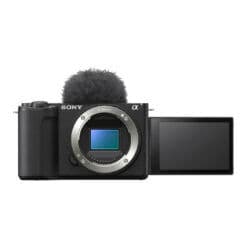
The Panasonic Lumix S1II is the most video-capable mirrorless camera in its class, offering an unmatched cinema-grade toolset (6K/60p, 4K/120p, 10-bit, waveform monitors, false color, real-time LUTs) with excellent dynamic range and 8.0EV IBIS — earning a DPReview Silver Award and a 5/5 long-term rating from The Phoblographer. At $3,199 it commands a significant premium, and its autofocus, while improved, still trails Sony and Canon for fast-action tracking.
The Panasonic Lumix S1II is the most video-capable mirrorless camera in its class, offering an unmatched cinema-grade toolset (6K/60p, 4K/120p, 10-bit, waveform monitors, false color, real-time LUTs) with excellent dynamic range and 8.0EV IBIS — earning a DPReview Silver Award and a 5/5 long-term rating from The Phoblographer
Panasonic Lumix S1II
Key specs
| Award | DPReview Silver Award |
| Video | Up to 6K/30p, 5.9K/60p, 4K/120p |
| Sensor | 24MP partially-stacked BSI CMOS (full-frame) |
| Weight | 800g (28.2 oz) |
| Burst Rate | Up to 70fps (including RAW) |
| Dimensions | 134 × 102 × 92 mm |
| Viewfinder | 5.76M dot OLED, 0.78x magnification |
| Rear Screen | 3.0" 1.8M dot tilt + fully articulating |
Highlights
- Unmatched professional video toolset: 6K/60p, 4K/120p, 10-bit, waveform monitors, false color, real-time LUT integration
- Excellent dynamic range with LOG profiles and highlight recovery for professional post-production
- Up to 8.0EV in-body stabilization — critical for handheld filmmaking
- 70fps RAW burst + 96MP multi-shot in-camera — exceptional hybrid capability
- Outstanding build quality and weather sealing for professional field use
- L-mount ecosystem with Leica, Sigma, and Panasonic lens options
- Built-in fan for thermal management during intensive video recording
- Best-in-class dual articulating + tilt screen praised by reviewers
Worth knowing
- Priced at $3,199 — significantly above competitors like Nikon Z6III and Canon EOS R6 III
- Autofocus UI requires extra steps; human sports AF is oddly implemented
- Battery life can run short under intensive video use
- Some burst rates outrun the buffer
- RAW video lacks lens corrections for many Panasonic lenses
- 800g body weight is on the heavier side
What people are saying
Notable mentions
Panasonic Lumix S5 II Mirrorless Camera
Learn moreKey spec comparison
What to know before buying
Buy for Dynamic range and LOG profiles, not the spec sheet
The strongest options here separated themselves by consistently delivering on Dynamic range and LOG profiles and build quality and durability. That matters more than chasing the longest feature list if the day-to-day experience is weaker.
Use the runner-up as a tradeoff check
Canon EOS R5 Mark II Mirrorless Camera is the best pressure-test for the winner because it shows what you gain and lose when you optimize a different dimension. If you are tempted by it, make sure that trade is actually tied to your primary use case.
Pressure-test the Dynamic range and LOG profiles claims
Before you buy, look for evidence that directly addresses Dynamic range and LOG profiles rather than relying on brand reputation alone. The right product here is the one that still looks strong after you account for the downside that matters most to you.
Have more questions?
Skip this one
Not worth itCanon EOS R5 C
The Canon EOS R5 C is a professional-grade compact cinema camera offering 8K RAW, 10-bit 4:2:2 XF-AVC, Dual Native ISO, and full Cinema EOS workflow compatibility — making it one of the strongest video-first mirrorless options for serious filmmakers. Its cinema-oriented design trades some hybrid convenience (slower AF, no IBIS in video) for broadcast-ready deliverables and multi-camera timecode support.
- Autofocus slower than standard EOS R5 in cinema mode
- No IBIS during video recording
- Cinema-first UI less intuitive for hybrid shooters
- CFexpress Type B media required for 8K RAW — expensive
Related reports


Looking for something else?
Research-backed picks, ranked specifically for you -- ready in minutes.