The running shoe market in 2026 is more segmented — and more confusing — than ever. Brands now categorize shoes not just by cushioning level but by intended pace zone, foot mechanics, and even terrain type. The core framework that still holds: shoes divide into neutral (for normal arches and supinators) and stability (for overpronators who roll inward excessively), and within each camp you choose between standard cushioning and maximalist stack heights that now routinely exceed 40mm in the heel.
Two facts should anchor every purchase decision. First, midsole foam degrades whether or not the outsole looks worn — most experts recommend replacing running shoes every 300 to 500 miles, because the foam loses its shock-absorbing capacity long before the rubber shows obvious wear. Second, heel-to-toe drop matters more than most buyers realize: the 0mm–12mm range on the market today meaningfully changes how your foot strikes the ground, with lower drops encouraging a midfoot strike and higher drops accommodating heel strikers. Getting this wrong is a common source of calf strain and Achilles irritation for new runners.
The 2026 generation of daily trainers is defined by nitrogen-infused and PEBA-based foams that deliver a lighter, bouncier ride without sacrificing durability — Brooks' DNA Loft V3, ASICS' FF Blast Max, and Saucony's PWRRUN+ are the clearest examples. There is also a growing class of 'super-trainer' hybrids that sit between a plush daily shoe and a race-day carbon plate shoe, giving high-mileage runners a single shoe that handles both tempo efforts and long easy runs.
This page covers four curated top picks for the most common buyer profiles, a full comparison table, a browsable product rail, a step-by-step buying guide, and eleven deep-dive reports organized by foot type, condition, and terrain. Whether you need a stability shoe for overpronation, a max-cushion option for plantar fasciitis, or a trail-specific outsole for technical terrain, the right report is linked below.
Our Top Picks for 2026
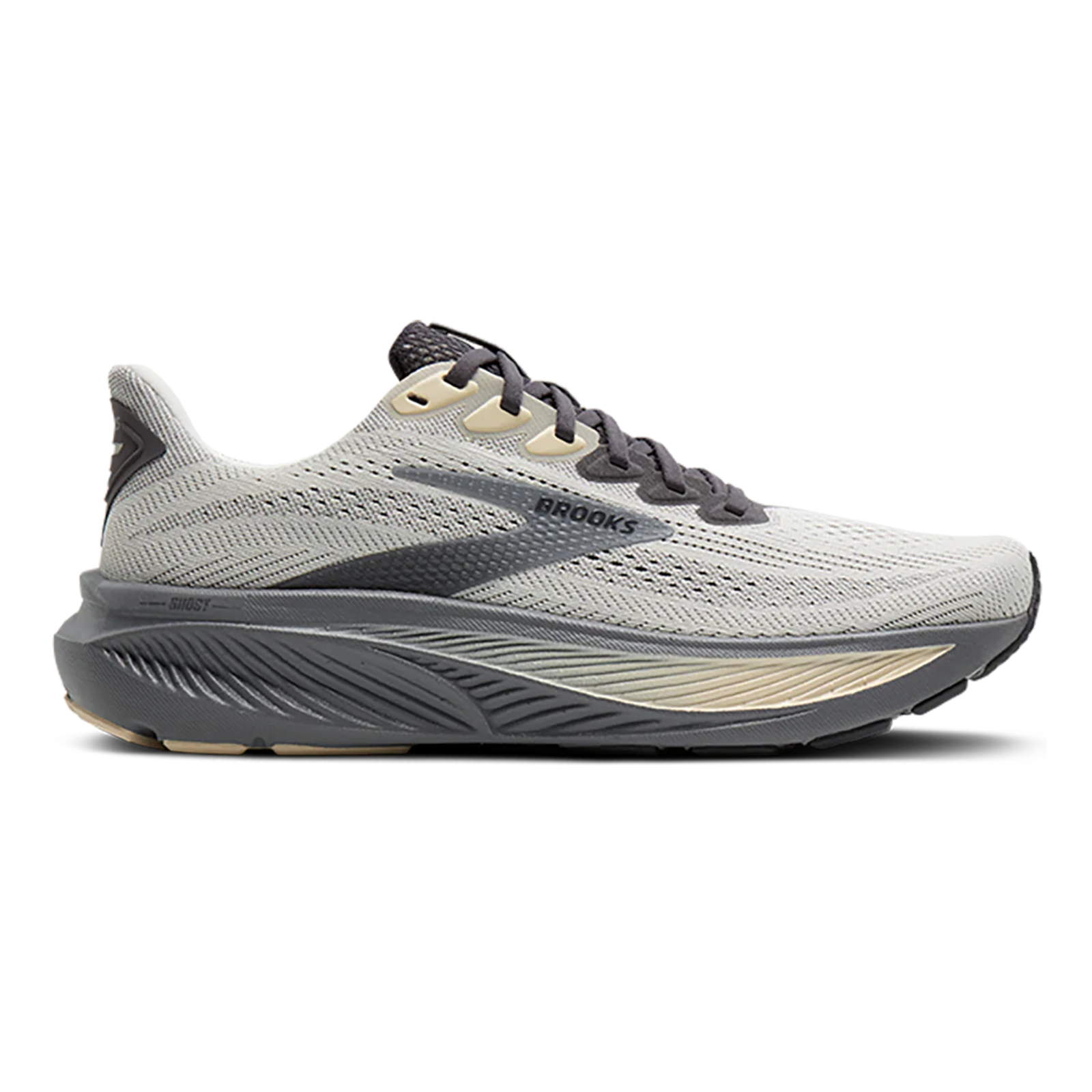
Best overall daily trainer
Brooks Ghost 17
The go-to neutral daily trainer for runners who want a consistent, forgiving ride across easy and moderate-pace miles. Brooks' updated DNA Loft V3 nitrogen-infused foam delivers a noticeably softer step-in feel, and the widest sizing range in its class (Narrow through 4E) means almost no runner is left out. Tradeoff: the toe box runs slightly narrow in standard width, and it's a touch heavier than the previous Ghost. Best for beginners and high-mileage runners who prioritize reliable comfort over maximum energy return.
$78Read report
Best versatile workhorse
Saucony Ride 18
Built for runners who need one shoe that handles easy miles, moderate tempo, and everything in between. The PWRRUN+ midsole is cushioned yet responsive — Tom's Guide testers found it 'suits all types of runners' after 45 miles of testing — and the XT-900 carbon rubber outsole is rated for up to 500-mile lifespan. Tradeoff: minor heel slippage reported by some testers; not a max-cushion option for joint-sensitive runners. Best for intermediate runners logging 30–50 miles per week across mixed paces.
$100Read report
Best for comfort and impact protection
Hoka Clifton 10
The Clifton 10 is the benchmark for runners who prioritize joint protection and all-day comfort over pace. Its high-stack CMEVA midsole (43mm heel) and Meta Rocker geometry create a smooth, stable ride that Tom's Guide called 'well-cushioned but not too heavy.' Tradeoff: not designed for speedwork or tempo efforts, and the standard toe box runs narrow. Best for heel strikers, beginners, and runners managing joint soreness who want a forgiving daily shoe.
$155Read report
Best bouncy all-rounder
ASICS Novablast 5
The Novablast 5's new FF Blast Max foam delivers 8.5% more bounce than v4 while retaining a smooth, stable platform — reviewers called it 'my favorite version of the shoe yet' for its softer, more energetic ride. Runner's World UK named it 'Best for wider feet' in their 2026 guide, and it handles easy miles through moderate tempo without feeling sluggish. Tradeoff: the updated upper fit requires careful lacing for secure lockdown. Best for runners who want a single versatile shoe with genuine energy return at a competitive price.
$160Read report
Best on a budget
New Balance Fresh Foam 680v9
At $79.99, the Fresh Foam 680v9 delivers genuine Fresh Foam cushioning and surprising responsiveness that Runner's World recognized with a 'Best Value' designation among affordable trainers. It punches well above its price tier for everyday mileage and casual runners who don't need max-stack foam or stability features. Tradeoff: lacks the durability and feature depth of premium options; not suited for high-mileage training blocks. Best for budget-conscious beginners or runners who want a reliable second pair without spending over $80.
$80Read report
Browse the Full 2026 Lineup
Brooks
Brooks Ghost 17
The Brooks Ghost 17 is a dependable, high-mileage neutral daily trainer with balanced DNA LOFT v3 cushioning, outstanding width availability, and orthotic-friendly design — a perennial crowd-pleaser that earns its Editor's Choice reputation at $119.95.
Saucony
Saucony Ride 18
The Saucony Ride 18 is a top-tier daily trainer with updated PWRRUN+ foam, exceptional breathability (5/5), and up to 500-mile durability at a sub-$110 price point — earning a RunRepeat score of 89/100 and landing in the top 11% of most popular running shoes. It's a best-in-value workhorse for everyday mileage but not suited for speedwork or runners needing max-cushion joint support.
Hoka
Hoka Clifton 10
The Hoka Clifton 10 is a plush, high-stack daily trainer that delivers reliable comfort and stability for everyday miles, especially for heel strikers and comfort-first runners. It lacks cutting-edge foam tech but remains the crowd-pleasing go-to in its category, widely available at ~$150 heading into 2026.
ASICS
ASICS Novablast 5
The ASICS Novablast 5 is a confirmed 2026 daily trainer that earns Runner's World UK's 'Best for wider feet' award in their May 2026 refreshed guide. New FF Blast Max foam delivers 8.5% more bounce than v4 while retaining responsiveness, making it a versatile pick for easy miles through moderate tempo efforts at $129.95 MSRP.
New Balance
New Balance Fresh Foam 680v9
The New Balance Fresh Foam 680v9 is a standout value pick at $79.99, delivering genuine Fresh Foam cushioning and surprising responsiveness for a sub-$80 daily trainer. Runner's World named it the 'Best Value' among affordable trainers for its consistent version-to-version updates.

Adidas
Adidas Duramo Speed 2

ASICS
ASICS Gel-Kayano 32

On
On Running Cloudmonster 2

HOKA
HOKA Bondi 9
The HOKA Bondi 9 is a best-in-class maximalist road shoe with a 43mm stack and Supercritical EVA foam that delivers genuine plushness with added bounce — a specialist long-run and recovery shoe that trades speed versatility for exceptional cushioning and impact protection at $174.95.
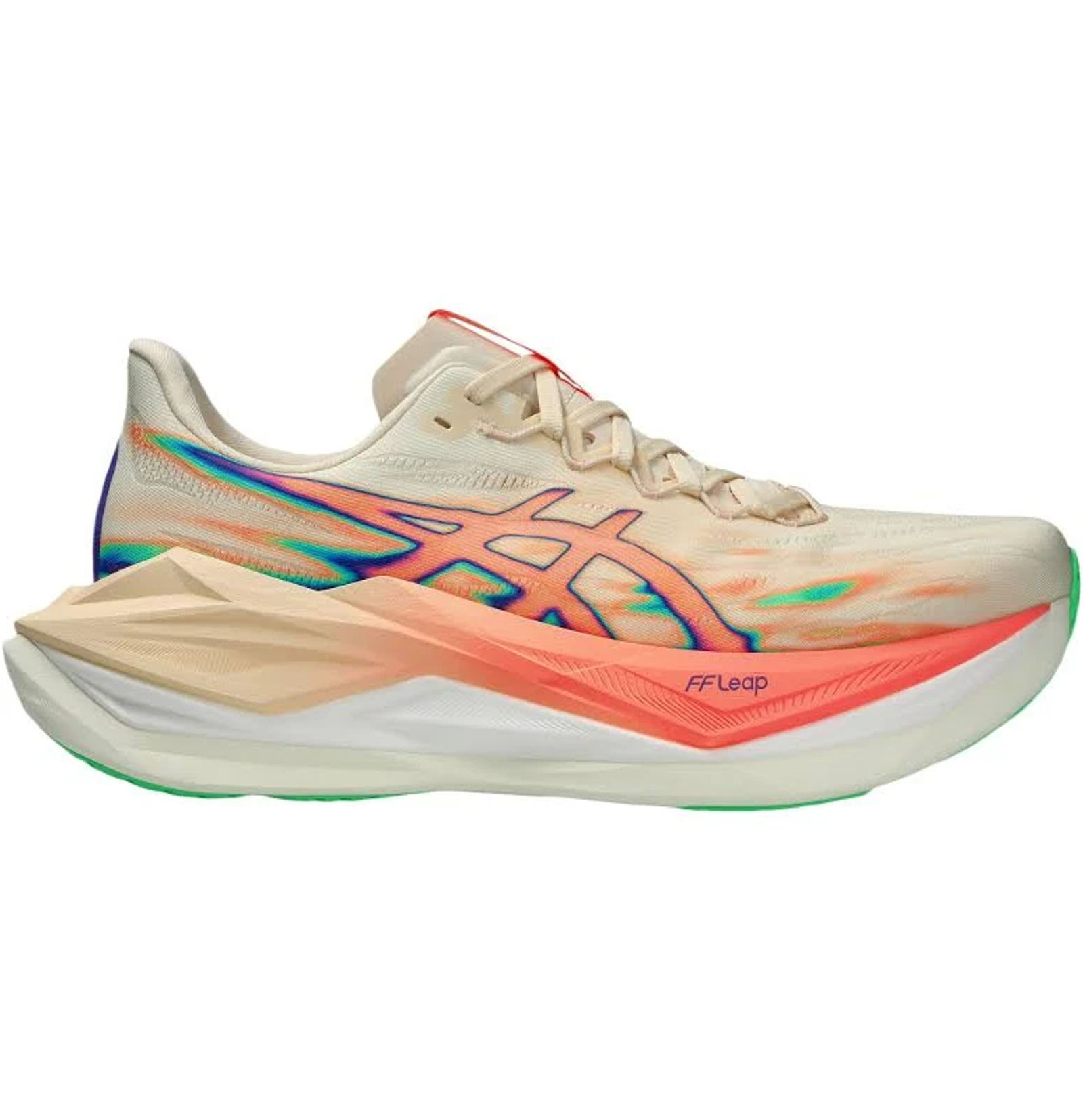
ASICS
ASICS Superblast 3
The ASICS Superblast 3 is the best Superblast to date — lab-verified 45.8mm heel / 37.7mm forefoot stack, world-class shock absorption (154 SA, #1 forefoot protection), and impressive 8.3oz weight make it the top versatile max-cushion daily trainer in 2026 at $209.95.
How to Choose the Right Running Shoe
Identify your arch type and gait pattern
Start by understanding whether you have a neutral arch, flat foot (low arch), or high arch — and whether you overpronate (foot rolls inward) or supinate (rolls outward). Overpronation is the most common issue and requires a stability shoe with a medial post or guide rails to control excess inward motion. If you're unsure, visit a specialty running store for a free gait analysis on a treadmill.
Match cushioning level to your mileage and pace
Running shoes divide into standard-cushion and maximalist categories, with heel stacks now ranging from under 30mm to over 45mm. Higher-stack shoes like the Hoka Clifton 10 (43mm) or Bondi 9 (43mm) offer superior impact protection for easy and recovery runs, while standard-stack shoes give better ground feel and stability for tempo efforts. If you're logging over 40 miles per week, consider owning both a plush daily trainer and a lighter shoe for faster sessions.
Choose the right heel-to-toe drop for your strike pattern
Drop ranges from 0mm (zero-drop, like Altra) to 12mm (traditional, like the Brooks Ghost 17). Heel strikers generally do well with 8–12mm drops, which reduce strain on the Achilles and calf. Midfoot and forefoot strikers often prefer 4–8mm. Switching drop dramatically — especially going lower — should be done gradually over several weeks to avoid calf and Achilles injuries.
Account for foot width and toe box shape
Standard running shoes fit a medium (D men's / B women's) width, but many runners need 2E or 4E sizing. The Brooks Ghost 17 offers the widest sizing range (Narrow to 4E) of any mainstream daily trainer. If you have bunions, a wide forefoot, or regularly experience black toenails, look specifically for shoes with a roomy toe box — or check our dedicated wide-feet and wide-toe-box reports linked below.
Factor in terrain and intended use
Road shoes use smooth rubber outsoles optimized for pavement grip and durability. Trail shoes require aggressive lug patterns (like Vibram Megagrip on the Saucony Peregrine 16) and often include rock plates for underfoot protection on technical terrain. Do not use road shoes on muddy or rocky trails — the outsoles wear prematurely and provide inadequate traction. If you run both surfaces, budget for two pairs.
Plan for a 300–500 mile replacement cycle
Midsole foam compresses and loses shock-absorbing capacity well before the outsole shows visible wear. Most experts recommend replacing running shoes every 300 to 500 miles — roughly every 6 to 12 months for a runner averaging 25 miles per week. Track your mileage in a running app, and watch for increased leg fatigue or joint soreness as early warning signs that your foam has broken down.
Shop by foot type and condition
Shop by terrain and cushioning need
Deep-Dive Reports: By Foot Type & Condition
Top 4 Best Running Shoes 2026
Read report
Top 4 Running Shoes for Flat Feet
Read report
Top 4 Running Shoes for Overpronation
Read report
Top 4 Running Shoes for Overpronation
Read report
Top 4 Running Shoes for Plantar Fasciitis
Read report
Top 4 Running Shoes for Wide Feet
Read report
Top 4 Wide Toe Box Running Shoes
Read report
Top 4 Running Shoes for Women
Read report
Top 4 Best Trail Running Shoes
Read report
Top 4 Cushioned Running Shoes
Read reportTop 4 Max Cushion Running Shoes
Read reportFrequently Asked Questions
How do I know if I need a neutral or stability shoe?
Neutral shoes suit runners with a normal arch or those who supinate (roll outward), while stability shoes add a medial post, guide rails, or dual-density foam to correct overpronation — the inward rolling that affects a large share of recreational runners. If you're unsure, a gait analysis at a specialty running store takes about five minutes and is usually free. The Brooks Adrenaline GTS 25 (GuideRails) and ASICS Gel-Kayano 32 (4D Guidance System) are the benchmark stability options in our 2026 testing.
Should I size up when buying running shoes?
Yes — buying a half-size larger than your casual shoe size is standard practice. Feet swell during runs, and you need roughly a thumb's width of space between your longest toe and the end of the toe box to prevent black toenails and blisters. If you have wide feet, also check width sizing: the Brooks Ghost 17 offers Narrow through 4E, while many shoes only come in standard width.
What is the difference between a daily trainer and a speed shoe?
Daily trainers like the Brooks Ghost 17 and Saucony Ride 18 are built for durability, comfort, and consistent performance across easy, long, and recovery runs — typically lasting 300–500 miles. Speed shoes are lighter, firmer, and often incorporate carbon plates or high-rebound PEBA foams to maximize energy return for tempo runs and racing. Using a carbon-plate racer for all your daily miles will wear it out quickly and may increase injury risk from the stiffer platform.
Do I need different shoes for trail running versus road running?
Yes. Trail shoes like the Saucony Peregrine 16 feature aggressive Vibram Megagrip outsoles with deep lugs for traction on wet, muddy, and technical terrain, and many include rock plates to protect against sharp debris. Road shoes use smoother rubber compounds optimized for pavement grip and durability. Running road shoes on trails accelerates outsole wear and provides inadequate traction; running trail shoes on pavement wears the lugs down quickly.
How does stack height affect my run?
Stack height is the total amount of foam between your foot and the ground — currently ranging from under 25mm in minimalist shoes to over 45mm in maximalist options like the ASICS Superblast 3 (45.8mm heel) and HOKA Bondi 9 (43mm). Higher stacks absorb more impact and are favored for long distances and recovery runs, but can reduce ground feel and proprioception. Lower stacks give better stability and responsiveness for faster efforts but transfer more impact force to your joints.
How often should I replace my running shoes?
Most running experts recommend replacing shoes every 300 to 500 miles, because midsole foam loses its shock-absorbing capacity well before the outsole shows visible wear. At 25 miles per week, that means a new pair roughly every 3 to 5 months. Early warning signs include increased leg fatigue after normal runs, new joint soreness, or a noticeably flatter feel underfoot. Tracking mileage in a running app removes the guesswork.
What running shoe is best for plantar fasciitis?
Plantar fasciitis is best managed with shoes that combine significant arch support and a slightly elevated heel (8–12mm drop) to reduce tension on the plantar fascia ligament. The Hoka Bondi 9 is APMA-certified and podiatrist-recommended as a top pick, while the Brooks Adrenaline GTS 25 addresses the overpronation mechanics that often underlie PF. See our dedicated plantar fasciitis report for a full comparison of four tested options.
Are max-cushion shoes better for long runs?
For most runners, yes — higher stack heights reduce cumulative impact force over long distances, which is why maximalist shoes dominate marathon and ultra training. The ASICS Superblast 3 leads our max-cushion testing with lab-verified #1 shock absorption and a 45.8mm heel stack at 8.3oz. However, very high stacks can feel unstable for runners with weak ankles, and the energy return varies significantly by foam type — PEBA foams like the ASICS Megablast's FF Turbo² return over 73% of energy, while standard EVA foams return considerably less.
Sources reviewed
17 sources- Expert-tested reports11
- Expert reviews & buyer guides6