
All of our top picks
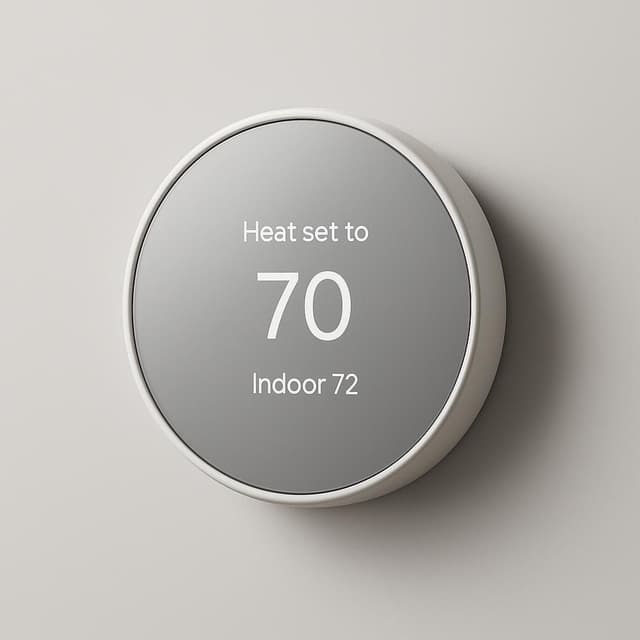
Best no-C-wire DIY install for Google Home
The Google Nest Smart Thermostat ($89.99) is a capable, no-subscription WiFi thermostat with easy no-C-wire installation and solid Google Home/Alexa integration, but lacks adaptive learning, HomeKit/Matter support, and room sensors — limiting its cross-platform appeal compared to rivals like Ecobee at similar pricing.

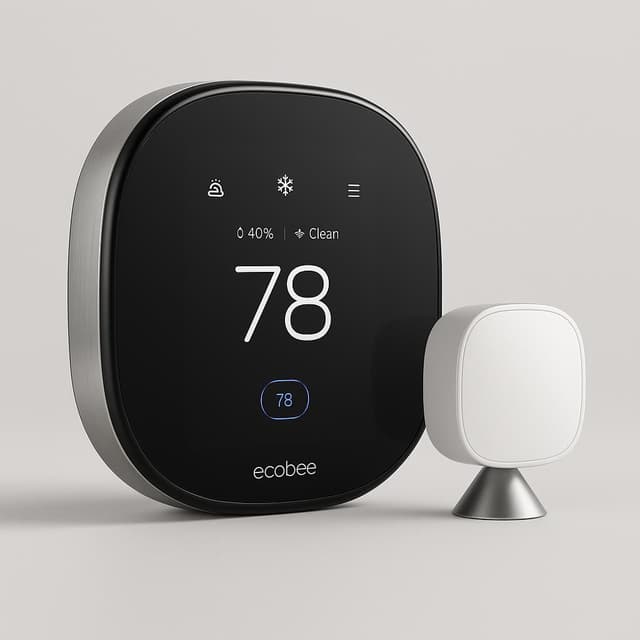
Best multi-ecosystem support with room sensors
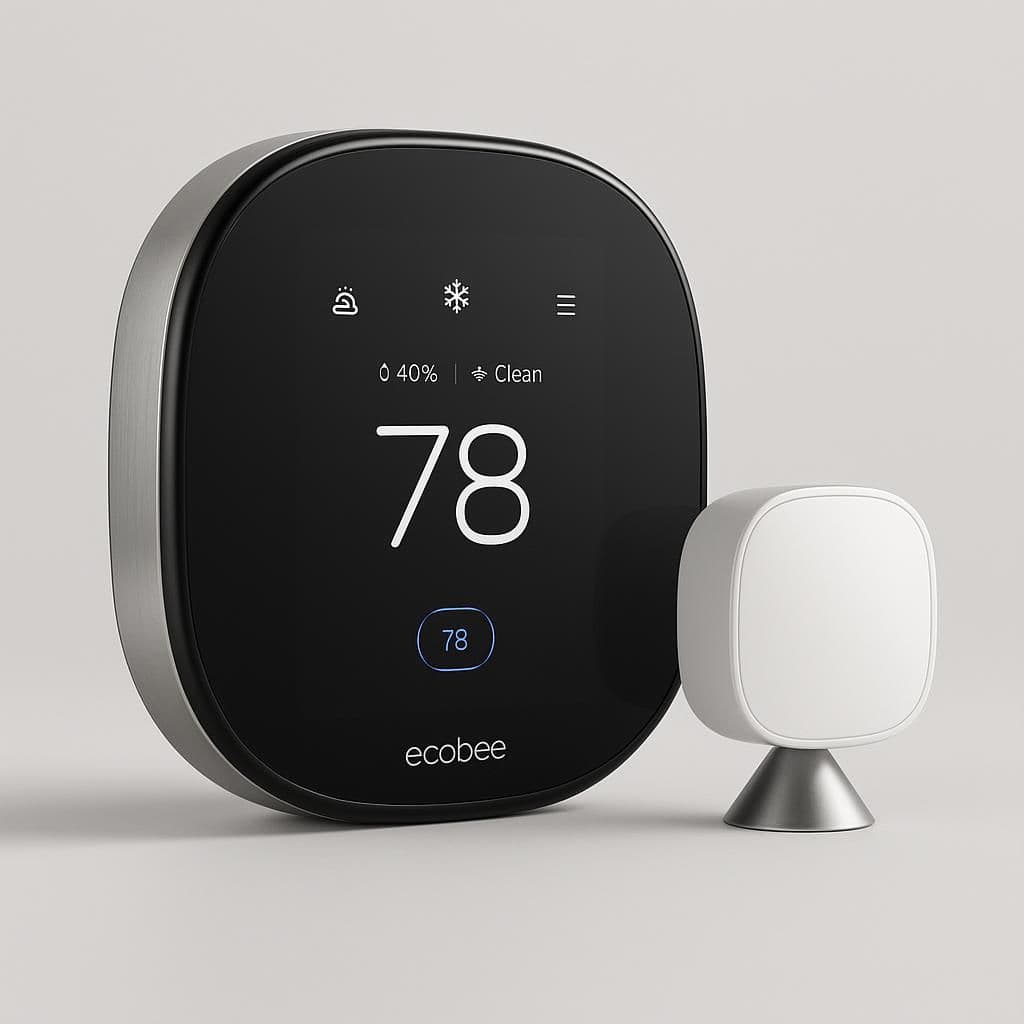
The Ecobee Smart Thermostat Premium is the most ecosystem-versatile WiFi thermostat in its class — supporting Alexa, Apple HomeKit, Google Assistant, IFTTT, and SmartThings — while adding air quality monitoring, 32-sensor support, geofencing, and a Bluetooth speaker at $249.99. Core features carry no subscription paywall, making it a best-in-class pick despite its premium price.
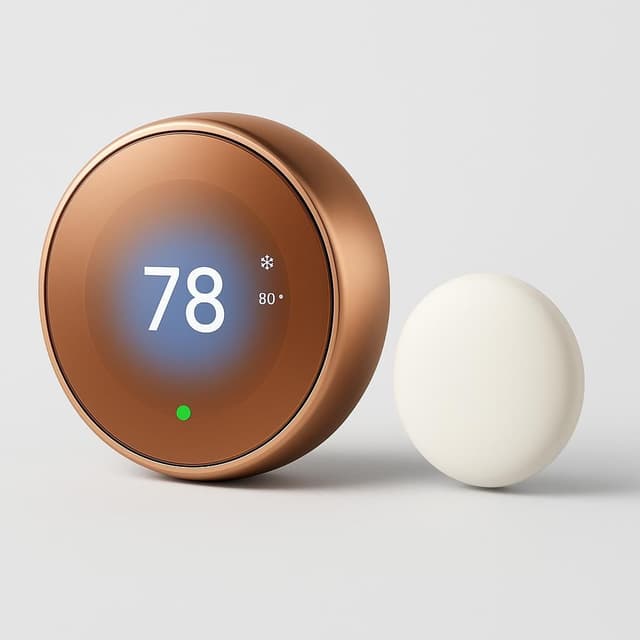
Best AI learning with Matter compatibility
The Google Nest Learning Thermostat (4th Gen) is a premium AI-powered smart thermostat with a stunning 2.7-inch display, bundled room sensor, and Matter support for broad ecosystem compatibility. At $279.99 it's the priciest mainstream option, but delivers hands-off scheduling, no subscription fees, and works seamlessly across Google, Alexa, Apple Home, and SmartThings.
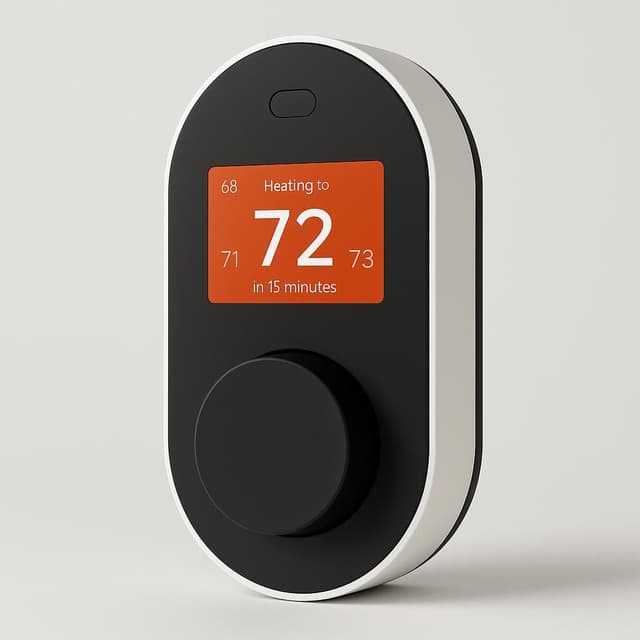
Best budget pick with no subscription fees
The Wyze Thermostat is the best value WiFi thermostat, delivering remote access, scheduling, Alexa/Google Assistant integration, and energy reporting with no subscription fees — but lacks Apple HomeKit and Matter/Thread support, limiting its appeal in Apple-centric ecosystems.
Who this is for
This guide is for the smart-home shopper who already has a voice assistant on the counter or a hub on the wall and wants a thermostat that actually talks to it — not one that works in a separate silo. Whether you're running Alexa routines, Google Home automations, Apple HomeKit scenes, or building toward a Matter-based setup, the WiFi thermostat you choose will either slot cleanly into that ecosystem or create a frustrating workaround you'll be managing for years. We built this guide around that reality.
The category looks deceptively simple from the outside: it's a box on the wall that controls your heat and air. But the tradeoffs inside that box are significant. Some thermostats learn your schedule automatically and adjust based on whether anyone is home. Others require you to program every time block manually. Some offer deep integration with Alexa, Google Home, and HomeKit simultaneously. Others prioritize one platform and treat the rest as an afterthought. Getting this wrong means either paying for features you'll never use or buying a budget model that can't do the one thing you actually needed.
Installation is where a lot of buyers get surprised. Most modern WiFi thermostats require a common wire — called a C-wire — to power the device continuously. Older homes, especially those with two-wire heating-only systems, often don't have one. We specifically evaluated how each model handles this: whether it ships with a C-wire adapter, supports power-stealing technology, or requires an electrician visit before you can even get started. If your current thermostat has only two wires running to it, pay close attention to the installation notes in each pick.
We also drew a hard line on subscription lock-in. Basic remote access — the ability to adjust your thermostat from your phone when you're not home — should not require a monthly fee. Any model that gates that core functionality behind a paid plan was excluded from consideration. Similarly, we ruled out any thermostat tied to a proprietary hub with no third-party platform support, any product that has been discontinued or had its cloud service shut down, and any model with fewer than 500 user reviews or an average rating below 4.0 stars. These aren't arbitrary filters; they're the minimum bar for a product you're going to depend on daily.
The picks in this guide span budget, mid-range, and premium tiers, so price-to-feature ratio was a consistent lens throughout our evaluation. A higher price is only justified if the added features — learning algorithms, occupancy sensing, multi-zone support, richer app UX — are ones you'll actually use. If you rent your home, plan to move within a year, or have a landlord who controls the HVAC system, a premium smart thermostat is probably not the right call. A simpler programmable model or a basic WiFi thermostat without learning features will serve you better and cost less to leave behind.
Once you reach the picks, use the ecosystem compatibility notes first. Find the model that works natively with the platform you already use — not one that requires a third-party bridge or a workaround integration. From there, weigh the scheduling and learning features against your actual habits. If you keep irregular hours or travel frequently, adaptive scheduling and occupancy-based adjustment will pay off. If your schedule is consistent and you're comfortable programming time blocks yourself, you can save money by skipping the learning tier entirely. The right thermostat is the one that fits your setup, not the one with the longest feature list.
How we picked the best
Our agents evaluated dozens of WiFi thermostats by scoring each model across ecosystem compatibility, scheduling intelligence, installation ease, app reliability, and verified user ratings. Every pick was pressure-tested against real smart-home setups spanning Alexa, Google Home, Apple HomeKit, and Matter to ensure the recommendations hold up beyond the spec sheet.
Ecosystem Compatibility
A thermostat that works natively with Alexa, Google Home, Apple HomeKit, and Matter without a proprietary hub is the single biggest differentiator for smart-home households. We ranked models on how broadly and reliably they integrate across all four platforms, not just on brand claims.
Scheduling & Learning
Adaptive learning, occupancy detection, and auto-scheduling are what separate a smart thermostat from a programmable one — and they're the features most likely to deliver measurable energy savings on your utility bill. We prioritized models with documented evidence of these capabilities over those that simply advertise them.
DIY Installation Ease
Clear C-wire guidance, bundled adapters, and an app-assisted step-by-step setup process determine whether you can confidently install the thermostat yourself in under an hour. We rewarded models that remove the guesswork for homeowners who don't want to call an electrician.
App & Remote Access
The mobile app is your primary interface for remote scheduling, real-time adjustments, and long-term control — so UI clarity, scheduling reliability, and a track record of consistent software updates all matter. We evaluated each app on how well it performs day-to-day, not just at first launch.
User Review Consensus
Products with 4+ stars across hundreds of verified reviews signal real-world reliability that lab specs can't capture — especially for hardware that needs to perform consistently across years of daily use. We used aggregated ratings as a crowd-trust signal to validate our own findings.
Price-to-Feature Value
We mapped every pick to a clear price tier — Budget ($50–$100), Mid-range ($100–$200), and Premium ($200–$350) — and penalized models that lock key features behind recurring subscriptions. The goal is to find the most capable thermostat at each price point without hidden ongoing costs.
Google Nest Smart Thermostat
The Google Nest Smart Thermostat ($89.99) is a capable, no-subscription WiFi thermostat with easy no-C-wire installation and solid Google Home/Alexa integration, but lacks adaptive learning, HomeKit/Matter support, and room sensors — limiting its cross-platform appeal compared to rivals like Ecobee at similar pricing.
 Top Pick
Best no-C-wire DIY install for Google Home
Google Nest Smart Thermostat
Key specs
| Size | 2.4 in (6.1 cm) |
| Brand | Nest |
| Shape | Round |
| Digital | Yes |
| Display | LCD |
| Subtype | Smart, Programmable |
| Learning | Yes |
| Mounting | Wall-Mounted |
Highlights
- No C-wire required — easiest installation in the category
- Affordable entry price (~$90) with no subscription for remote access or scheduling
- Google Home and Amazon Alexa integration built-in
- Eco Modes and energy usage reports for savings
- ENERGY STAR certified
Worth knowing
- No adaptive/AI learning on base model (key differentiator missing vs. Nest Learning Thermostat)
- No Apple HomeKit or Matter support — locked to Google/Amazon ecosystem
- No remote room sensor included or supported
- Basic design and limited presence sensing vs. premium competitors
- Reviewers consistently recommend spending up to the $280 Nest Learning Thermostat for full capabilities
What people are saying
“the nest thermostat is just as fast as the ecob for a quick temperature change”
“I don't have to use a company specific app to use the device what's the matter with you Google this matters that's not a matter pun it literally does use matter”
“the homekit device integration into home assistant is completely local”
Ecobee Smart Thermostat Premium
The Ecobee Smart Thermostat Premium is the most ecosystem-versatile WiFi thermostat in its class — supporting Alexa, Apple HomeKit, Google Assistant, IFTTT, and SmartThings — while adding air quality monitoring, 32-sensor support, geofencing, and a Bluetooth speaker at $249.99. Core features carry no subscription paywall, making it a best-in-class pick despite its premium price.
 Runner Up
Best multi-ecosystem support with room sensors
Ecobee Smart Thermostat Premium
Highlights
- Widest smart-home platform support: Alexa, HomeKit, Google Assistant, IFTTT, SmartThings
- Includes 1 SmartSensor; supports up to 32 remote room sensors
- Built-in air quality monitoring (VOC, humidity, CO₂)
- Geofencing for automatic home/away switching
- C-wire adapter included for older HVAC systems
- No subscription required for core thermostat, scheduling, or remote access features
- PCMag Editors' Choice; CNET 8.3/10
Worth knowing
- Premium price at $249.99
- Security/camera features require $5–$10/mo subscription
- Bluetooth speaker distorts at high volumes
- Installation involves low-voltage wiring that may intimidate some users
- No confirmed native Matter/Thread support in current reviews
What people are saying
Google Nest Learning Thermostat (4th Gen)
The Google Nest Learning Thermostat (4th Gen) is a premium AI-powered smart thermostat with a stunning 2.7-inch display, bundled room sensor, and Matter support for broad ecosystem compatibility. At $279.99 it's the priciest mainstream option, but delivers hands-off scheduling, no subscription fees, and works seamlessly across Google, Alexa, Apple Home, and SmartThings.
 Alternate Angle
Best AI learning with Matter compatibility
Google Nest Learning Thermostat (4th Gen)
Highlights
- AI learning builds custom HVAC schedules automatically
- Matter support enables true multi-ecosystem compatibility (Google, Alexa, Apple, SmartThings)
- Large 2.7-inch 600×600 px display readable from across the room
- Remote room sensor included in the box
- No subscription required for core features
- Premium stainless steel and mirrored aesthetic
Worth knowing
- Most expensive mainstream option at $279.99
- Lacks air quality sensor, Alexa speaker, and security hub features found in Ecobee Premium
- Professional installation adds ~$155 for non-DIY users
- Best experience optimized for Google Home ecosystem
What people are saying
“I now like the look of the ecobe premium now so much more”
Wyze Thermostat
The Wyze Thermostat is the best value WiFi thermostat, delivering remote access, scheduling, Alexa/Google Assistant integration, and energy reporting with no subscription fees — but lacks Apple HomeKit and Matter/Thread support, limiting its appeal in Apple-centric ecosystems.
 Worth a look
Best budget pick with no subscription fees
Wyze Thermostat
Highlights
- Lowest price point in the smart thermostat category
- Includes C-wire adapter for easy DIY installation
- Supports Amazon Alexa and Google Assistant
- No subscription required for remote access, scheduling, or energy reports
- Auto-schedule learning adapts to usage patterns
- PCMag Editor's Choice for affordable smart thermostats
Worth knowing
- No Apple HomeKit or Matter/Thread support
- Auto-scheduling less sophisticated than Nest or Ecobee
- Mixed long-term app reliability reports
- Budget-tier build quality and display
- Limited compatibility with complex HVAC systems (multi-stage, heat pumps)
What people are saying
Notable mentions
Emerson Sensi ST55 Smart Thermostat
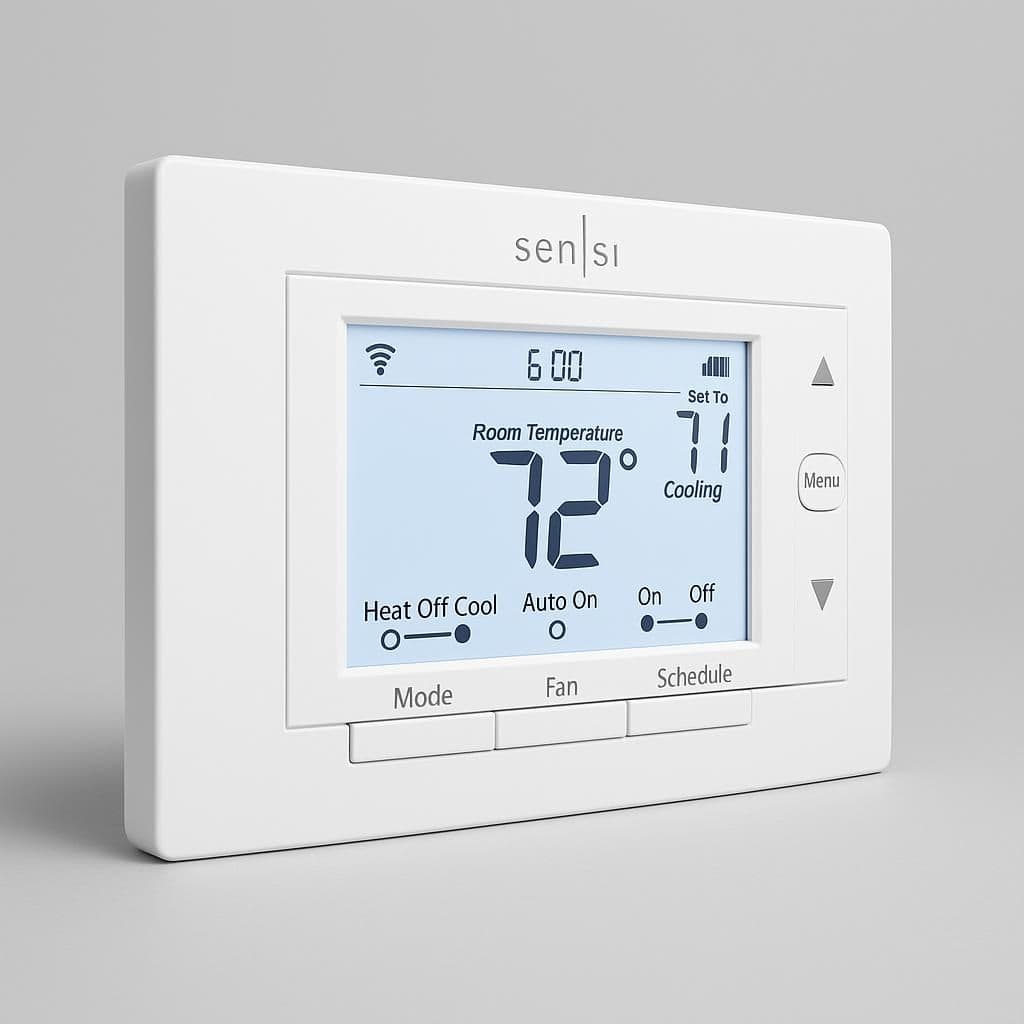
The Emerson Sensi ST55 is a well-rounded budget smart thermostat earning 4.0/5 from PCMag. It delivers broad ecosystem compatibility (HomeKit, Alexa, Google, SmartThings), geofencing, and fee-free remote access — but lacks a learning algorithm and Matter/Thread support.
- Works with Apple HomeKit, Alexa, Google Assistant, SmartThings, and Wink — widest multi-platform support in the budget tier
- No C-wire required — battery-powered for easy DIY install


Honeywell Home T9 Smart Thermostat
eBay — $175Honeywell Home T5+ Smart Thermostat
Honeywell HomeKey spec comparison
How the top 4 compare
Relative scores across the dimensions that mattered most for this search.
Google Nest Smart Thermostat
Ecobee Smart Thermostat Premium
Google Nest Learning Thermostat (4th Gen)
Wyze Thermostat
What to know before buying
Which WiFi thermostat works with Alexa, Google Home, AND Apple HomeKit without being locked into one ecosystem?
The Ecobee Smart Thermostat Premium is the only top pick supporting all three natively, plus SmartThings and IFTTT, scoring 98/100 for ecosystem compatibility.
Ecobee Smart Thermostat Premium vs Google Nest Learning Thermostat 4th Gen — which one should I buy?
Buy the Ecobee Smart Thermostat Premium if you use Apple HomeKit or want air quality monitoring; choose the Google Nest Learning Thermostat (4th Gen) if you're all-in on Google Home and want AI auto-scheduling.
Does the Google Nest Smart Thermostat actually learn your schedule automatically?
No — the Google Nest Smart Thermostat has no adaptive learning. You need the $279.99 Google Nest Learning Thermostat (4th Gen) for AI-driven auto-scheduling.
What is the easiest WiFi thermostat to install yourself without an electrician?
The Wyze Thermostat scores 88/100 for installation ease and costs under $50, making it the simplest DIY option for standard single-stage HVAC systems.
Do any of these smart thermostats require a monthly subscription to use all the features?
The Ecobee Smart Thermostat Premium locks its security and camera features behind a $5–$10/month subscription, but all core thermostat and scheduling features are free.
Skip this one
Not worth it
Emerson Sensi ST55 Smart Thermostat
The Emerson Sensi ST55 is a well-rounded budget smart thermostat earning 4.0/5 from PCMag. It delivers broad ecosystem compatibility (HomeKit, Alexa, Google, SmartThings), geofencing, and fee-free remote access — but lacks a learning algorithm and Matter/Thread support.
- No adaptive learning algorithm — manual scheduling only
- No IFTTT integration
- No Matter/Thread support — not future-proofed for next-gen smart home protocols
- Utilitarian design, less polished than Nest or Sensi Touch ST75
Related reports


Sources reviewed
69 sources checked across 13 products. Showing non-retail research links from the canonical report payload.
Official pages
- Official product page (store.google.com)
- Official product page (ecobee.com)
- Official product page (store.google.com)
- Official product page (wyze.com)
- Official product page (sensi.emerson.com)
- Official product page (honeywellhome.com)
- Official product page (honeywellhome.com)
- Official product page (amazon.com)
- Official product page (sinopetech.com)
- Official product page (honeywellhome.com)
- Official product page (getmysa.com)
- Official product page (sensi.emerson.com)
Reviews and articles
- PCMag Reviews (pcmag.com)
Videos and social
- Google Nest Thermostat 4th Gen, professionally installed ... (instagram.com)
- This Google Nest Thermostat Bundle Is Down To Just ... (instagram.com)
- Upgraded this home with the all-new Google Nest Learning ... (instagram.com)
- YouTube: 6 Months Later (youtube.com)
- YouTube: AppleInsider (youtube.com)
- YouTube: Asher Nasir (youtube.com)
- YouTube: Eric Welander (youtube.com)
- YouTube: One Hour Smart Home (youtube.com)
- YouTube: One Hour Smart Home (youtube.com)
- YouTube: Our Honest Reviews (youtube.com)
- YouTube: Rental Home Automator (youtube.com)
- YouTube: Smart Home 101 (youtube.com)
- YouTube: Smart Home Solver (youtube.com)
- YouTube: Smart Select Reviews (youtube.com)
- YouTube: SoulOfTech (youtube.com)
- YouTube: Steve DOES (youtube.com)
- YouTube: Tech Bandicoot (youtube.com)
- YouTube: The Martinez Family (youtube.com)
- YouTube: Tomas Villegas (youtube.com)
- YouTube: Tool Review Zone (youtube.com)
- YouTube: TopShelf Picks (youtube.com)
- YouTube: Yarbrough & Sons Heating, Cooling & Plumbing (youtube.com)
- YouTube: YoloReviews (youtube.com)
Community threads
- Reddit · r/smarthome (reddit.com)
Other research
- 6MonthsLater (6monthslater.net)
- Bob Vila (bobvila.com)
- CNET (cnet.com)
- CNET (cnet.com)
- CNET (cnet.com)
Showing 42 research links; 21 additional non-retail links remain in the source data.