
All of our top picks
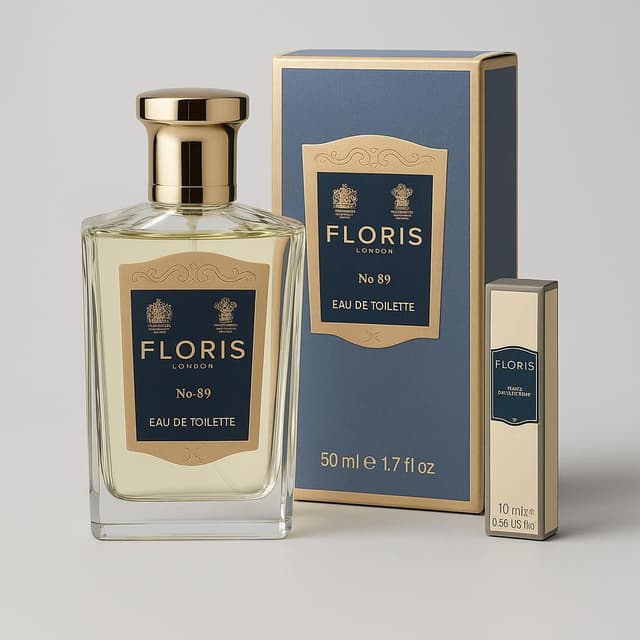
Best for understated English heritage elegance
Floris No. 89 is the archetypal English old money fragrance — a 1951 fougère from the storied Jermyn Street house (est. 1730), holding royal warrants and a documented association with Ian Fleming. At $45 direct, it is both accessible and deeply embedded in the heritage fragrance canon.

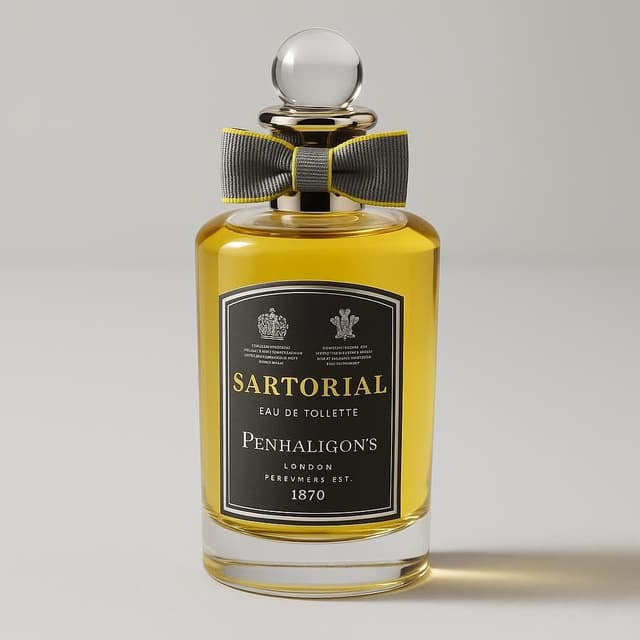
Best for Savile Row beeswax fougère
Penhaligon's Sartorial is a concept-driven English fougère that recreates a Savile Row tailor's workroom in scent — warm beeswax, pressed wool, lavender, cedar — from a Royal Warrant-holding house founded in 1869. It is a modern composition (c.2010) without the head-of-state patronage stories of Floris or Creed, but earns strong fragrance community consensus as the definitive old-money British gentleman's fragrance.
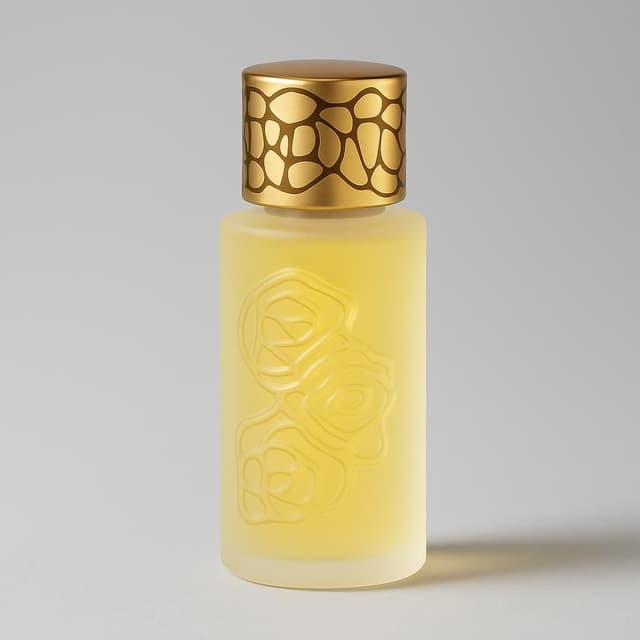
Best for aristocratic vintage multi‑floral heritage
Houbigant Quelques Fleurs L'Original (1912) is the world's first multi-floral bouquet perfume, from a house founded in 1775 with documented European royal patronage — it predates and inspired Chanel No. 5, making it the deepest heritage credential in feminine perfumery for an old-money editorial context.
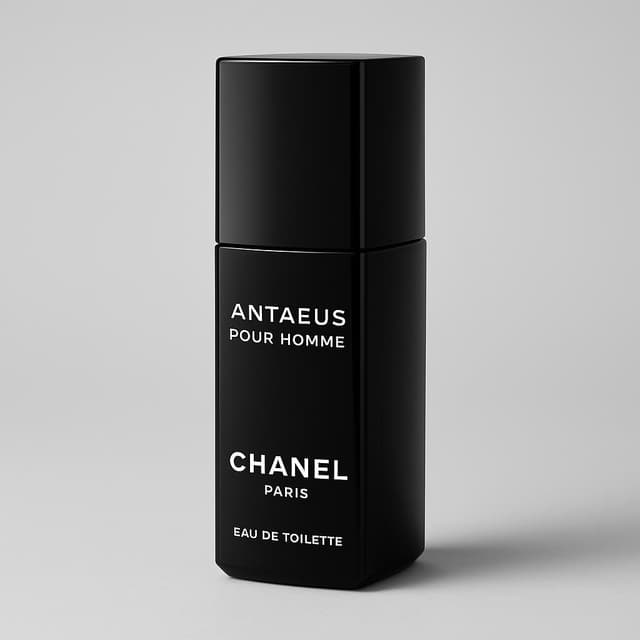
Best for canonical masculine chypre‑leather
Chanel Antaeus EDT (1981) is a canonical chypre-leather masculine and one of the defining European heritage fragrances of the 20th century — its oakmoss, castoreum, patchouli, and leather accord represent the 'continental power' strain of old-money aesthetics. Vintage bottles are the enthusiast gold standard; the current reformulation is solid but diminished by IFRA restrictions on oakmoss.
Who this is for
This guide is for the crowd-sourcing heritage fragrance enthusiast: the person who cares less about seasonal hype and more about provenance, story and classical style. You’re not here to chase the latest celebrity scent or a viral “aesthetic” trend; you want colognes that carry historical weight—houses with documented aristocratic clientele, royal warrants, or origins before the 20th century. If the Winston Churchill / Floris Special No. 127 story intrigues you, that’s the right kind of curiosity. We use that connection as an editorial anchor: these picks are meant to reproduce the sensibility and lineage that actually defined “old money” scent over generations, not to recreate some social-media shorthand version of it.
What matters in this category is specific and narrow. We prioritized fragrance houses with verifiable heritage—either a founding date before 1920 or a current or historical royal warrant from a European monarchy—and fragrances with documented ties to statesmen, royals, or long-standing aristocratic clients. The profiles that fit the old money cologne aesthetic are the classics: fougères, chypres, leather and barbershop archetypes. Community recognition matters too; we leaned on consensus within fragrance enthusiast forums to confirm which houses and formulas are widely regarded as authentic expressions of the aesthetic. English and continental traditions both count—think Floris London and Penhaligon’s alongside Creed, Guerlain and Czech & Speake—because old money is a transnational habit, not a single-country fashion.
That focus comes with tradeoffs worth understanding up front. Choosing heritage houses narrows your field dramatically: you’ll mostly encounter traditional compositions rather than ozonic, aquatic or modern synthetic-forward constructions. Longevity and restrained sillage are features here, not bombast—these are scents designed to announce breeding and background, not demand a roomful of attention. Expect fewer flash launches and more legacy formulations; some classic bottles and concentrations are produced in smaller runs and may be harder to find through mainstream discount channels. The reward is a fragrance that wears like history rather than like a billboard.
There are practical buying constraints and ownership caveats to keep in mind. Our cutoff—pre-1920 founding date or documented royal warrant—eliminates a lot of otherwise attractive niche houses, and that’s intentional: only those credentials carry the old money authority this aesthetic requires. Presentation matters as well; bottle design and packaging are part of the signal, so expect heritage houses to favor restrained, classic presentation over gimmickry. If you’re collecting for historical accuracy—vintage bottles, archival formulations or documented wearer history—be prepared to check provenance and seller documentation rather than rely on marketing blurbs alone.
This is not the right category if you want loud projection, cheap trend-driven options, or fresh-aquatic/ozonic profiles. Skip this guide if your priority is celebrity-brand collabs, designer fast-fashion launches, or houses founded after 1980 with no royal warrant or historic clientele—those are explicitly excluded here. If you want maximal projection for nightlife or clubbing, or a scent engineered to chase modern “clean” or aquatic trends, look to other categories; the old money aesthetic values subtlety, history and underplayed chemistry over maximum noticeability.
When you reach the picks, use them as a map rather than a prescription. Match a house’s documented heritage and any noted historical wearer to the occasions and wardrobe where you want that old money statement to live. Pay attention to the scent family (fougère, chypre, leather, barbershop), the expected sillage/longevity profile, and the house’s provenance: founding date, royal warrants and community validation. Treat the Winston Churchill / Floris Special No. 127 story as an example of how a single house and single fragrance can carry cultural weight—then use the multi-house coverage here (Floris London, Penhaligon’s, Creed, Guerlain, Czech & Speake) to assemble a small, durable rotation that reads convincingly old money in both history and in the room.
How we picked the best
We evaluated each fragrance by verifying its heritage credentials, historical wearer links, scent archetype, community acceptance, and real-world longevity using brand archives, royal-warrant registries, community discussions, and owner-reported wear data. The goal: identify fragrances that legitimately read as ‘old money’ rather than trend-driven or anecdotal picks.
Heritage provenance
Documented royal warrants or pre-20th-century aristocratic clientele are non-negotiable for the old-money archetype; we checked brand archives, official warrant registries, and historical records to confirm provenance claims rather than relying on reputation alone.
Historical association
Named statesmen, royals, or aristocrats who were documented wearers are the strongest editorial anchors; we prioritized fragrances with verifiable associations (letters, inventories, estate records, or contemporaneous reportage).
Scent-profile fit
Only classic fougère, chypre, leather, green, or English barbershop profiles fit the old-money aesthetic; we mapped official note listings and community scent breakdowns to ensure each fragrance matches these archetypes.
Community consensus
Heritage fragrance communities and long-running enthusiast forums are the best crowd-sourced validators of old-money authority; we aggregated community mentions, long-form threads, and collector lists to see which houses are repeatedly cited as authentic.
Longevity & sillage
An old-money fragrance projects modestly but lasts through the day; we reviewed owner-reported longevity, forum wear reports, and concentration information (Eau de Parfum vs extrait) to assess real-world duration and projection.
Floris London No. 89 Eau de Toilette
Floris No. 89 is the archetypal English old money fragrance — a 1951 fougère from the storied Jermyn Street house (est. 1730), holding royal warrants and a documented association with Ian Fleming. At $45 direct, it is both accessible and deeply embedded in the heritage fragrance canon.
 Top Pick
Best for understated English heritage elegance
Floris London No. 89 Eau de Toilette
Key specs
| Form | Spray |
| Type | Fragrance |
| Style | 50ml Eau de Toilette |
| Free Of | Vegan, Cruelty Free |
| Scented | Yes |
| Variety | No. 89 |
| Contains | Parfum (Fragrance), Alcohol Denat., Aqua (Water, Eau), +2 more |
| Occasion | Day, Spring, Summer |
Highlights
- Floris London est. 1730 — one of Britain's oldest perfume houses with royal warrants
- Named after 89 Jermyn Street — the quintessential old money London address
- Classic fougère accord (bergamot, lavender, oakmoss, cedar) is the DNA of English gentleman's fragrance
- Ian Fleming's documented association gives literary-aristocratic pedigree
- Accessible price point ($45/50ml direct) for genuine heritage provenance
- Fragrance community consensus firmly places it in the old money canon
Worth knowing
- Moderate longevity (5–6 hours) and quiet sillage — not a projection powerhouse
- Classic fougère character reads as dated to trend-forward audiences
- Oakmoss (IFRA restrictions) may affect formulation authenticity in newer batches
- Low mainstream brand recognition outside fragrance enthusiast circles
Penhaligon's Sartorial Eau de Parfum
Penhaligon's Sartorial is a concept-driven English fougère that recreates a Savile Row tailor's workroom in scent — warm beeswax, pressed wool, lavender, cedar — from a Royal Warrant-holding house founded in 1869. It is a modern composition (c.2010) without the head-of-state patronage stories of Floris or Creed, but earns strong fragrance community consensus as the definitive old-money British gentleman's fragrance.
 Runner Up
Best for Savile Row beeswax fougère
Penhaligon's Sartorial Eau de Parfum
Key specs
| Form | Spray |
| Type | Eau de Toilette |
| Size | 10ml |
| Brand | Penhaligon's |
| Free Of | Vegan, Cruelty-free |
| Scented | Yes |
| Variety | New |
| Contains | Vanillin, Alcohol Denat., alpha-isomethyl ionone, alpha-terpinene, +1 more |
Highlights
- Penhaligon's holds Royal Warrants — founded 1869, one of Britain's oldest and most prestigious fragrance houses
- Sartorial's concept is explicitly Savile Row tailoring — beeswax, warm cloth, cedar, lavender — the most direct old money olfactory metaphor in the category
- Strong fragrance community consensus (Fragrantica, r/fragrance) as a top 'old money' pick
- EDP concentration offers moderate-to-good longevity (6–8 hours reported) with refined, close sillage befitting the aesthetic
- No significant reformulation controversies — core DNA consistent
Worth knowing
- Modern launch (~2010), not a historic pre-1950 formula — heritage is institutional, not formulaic
- No documented famous patron (no Churchill/Queen equivalent specifically for Sartorial)
- Polarizing beeswax/pressed cloth accord — niche appeal, not universally wearable
- Restrained sillage may disappoint those wanting projection
- Full-size bottle pricing is niche-tier premium
Houbigant Quelques Fleurs L'Original
Houbigant Quelques Fleurs L'Original (1912) is the world's first multi-floral bouquet perfume, from a house founded in 1775 with documented European royal patronage — it predates and inspired Chanel No. 5, making it the deepest heritage credential in feminine perfumery for an old-money editorial context.
 Alternate Angle
Best for aristocratic vintage multi‑floral heritage
Houbigant Quelques Fleurs L'Original
Key specs
| Set | Yes |
| Form | Spray |
| Type | Eau de Parfum |
| Size | 9ml Glass Spray |
| Brand | Houbigant Paris |
| Free Of | Gluten Free |
| Scented | Yes |
| Variety | L'Original |
Highlights
- House founded 1775 with pre-revolutionary French royal clientele — among the oldest heritage houses in the report
- 1912 launch predates Chanel No. 5; invented the multi-floral bouquet genre that defined 20th-century luxury femininity
- Complex 250-ingredient composition praised by expert reviewers for balance, depth, and 'tantalizingly' sensuous character
- Classic medallion-shaped bottle with authentic Houbigant label — visually old-money without modern minimalism
- Accessible entry EdP (~$65) alongside premium Collection Privée tier; long-lasting sillage reported
Worth knowing
- Hyper-feminine positioning limits cross-gender appeal in a 'cologne' context — not suitable as a masculine or unisex old-money pick
- No named historical figures (heads of state, royals) specifically documented as wearers, unlike Floris or Creed
- Multi-tier Royale marketing (EdP/Collection Privée/Parfum at widely different prices) criticized by enthusiasts for negligible real-world scent difference
- Reformulation debate: vintage parfum vs. current EdP may differ meaningfully for authenticity-focused collectors
Chanel Antaeus EDT
Chanel Antaeus EDT (1981) is a canonical chypre-leather masculine and one of the defining European heritage fragrances of the 20th century — its oakmoss, castoreum, patchouli, and leather accord represent the 'continental power' strain of old-money aesthetics. Vintage bottles are the enthusiast gold standard; the current reformulation is solid but diminished by IFRA restrictions on oakmoss.
 Worth a look
Best for canonical masculine chypre‑leather
Chanel Antaeus EDT
Key specs
| Form | Spray |
| Type | Eau de Toilette |
| Brand | CHANEL |
| Free Of | Cruelty-Free/No Animal Testing |
| Scented | Yes |
| Variety | Vintage |
| Contains | Parfum (Fragrance), Alcohol, Alpha-Isomethyl Ionone, Aqua (Water), +1 more |
| Occasion | Casual fall/winter use |
Highlights
- Flagship chypre-leather composition — oakmoss, castoreum, patchouli, and complex leather accord perfectly embody old-money power masculinity
- Chanel grande maison pedigree (est. 1910) — unimpeachable European heritage house authority
- Enduring fragrance community consensus as a reference classic masculine chypre
- Strong opening sillage appropriate to the authority-dressing old-money aesthetic
- Surprisingly gender-flexible — appeals to retro-leaning women as well as men
Worth knowing
- Reformulation has weakened the oakmoss base due to IFRA restrictions — vintage is preferred by serious collectors
- Vintage bottles command $400–$700 on secondary market, making the authentic experience expensive
- Perceived as 'old fashioned' by modern fragrance consumers — polarizing outside the connoisseur community
- No documented association with specific historical figures or heads of state
- Lacks a royal warrant or named aristocratic clientele record — heritage is brand prestige rather than patron history
Notable mentions
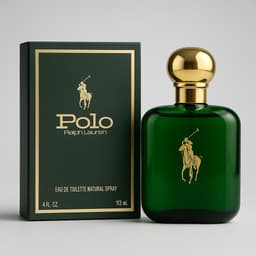
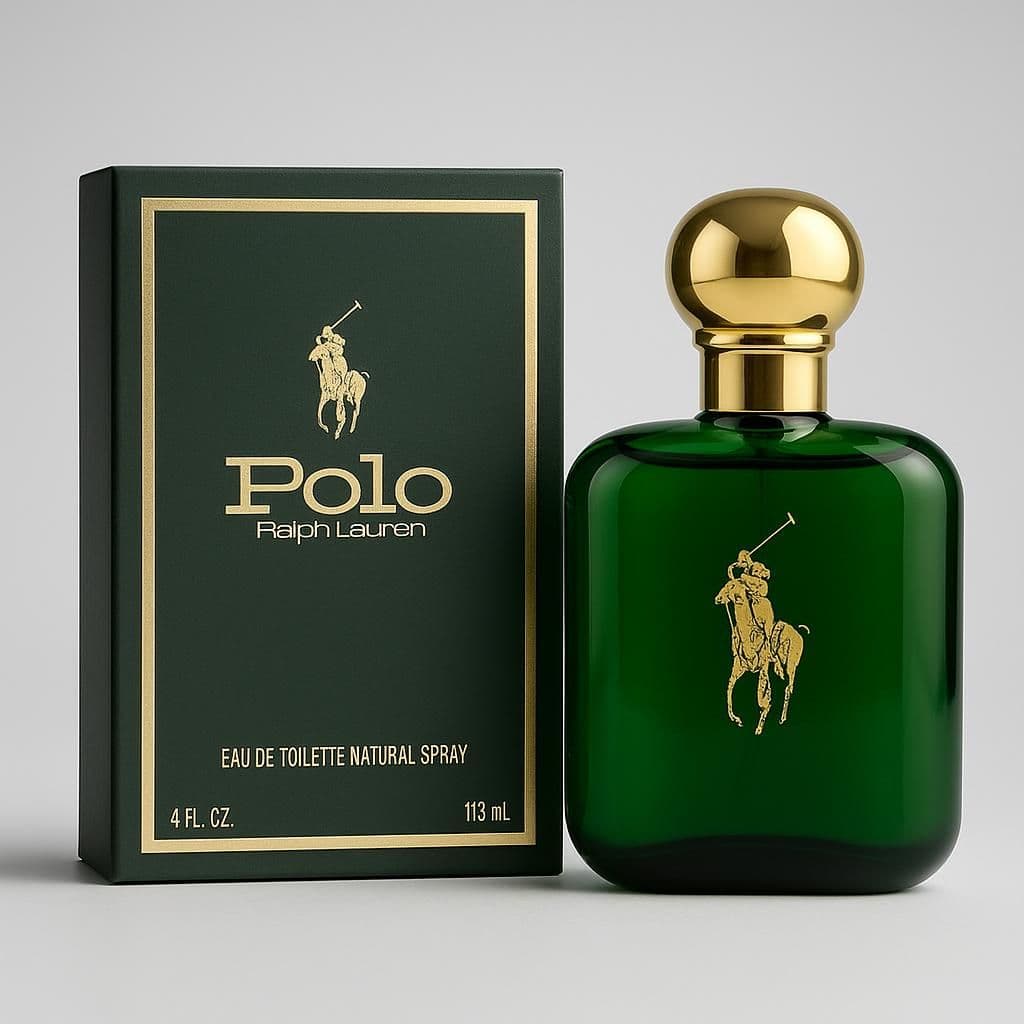
Ralph Lauren Polo Green EDT
Ralph Lauren Polo Green EDT (1978) is a landmark American fougère-chypre that defines country-club and equestrian old-money aesthetics, but lacks the English/European heritage house provenance, royal warrants, and documented aristocratic clientele central to this report's thesis — making it best positioned as an 'American alternative' counterpoint rather than a primary exemplar.
- Iconic 1978 launch with nearly 50 years of continuous production — genuine longevity
- Instantly recognizable old-money green scent: mossy, leathery, herbal, powerful


Creed Bois du Portugal Millesime
Microperfumes — $29

Guerlain Shalimar Eau de Parfum
Walmart — $106Key spec comparison
What to know before buying
Which Old Money cologne has a documented royal warrant?
Two houses in this report publish a royal warrant history. Floris London's own history page records its first Royal Warrant in 1820, as Smooth Pointed Comb Maker to HM The King George IV, and states that Floris was the only perfumer to hold a Royal Warrant from Queen Elizabeth II. Penhaligon's says it has been granted four Royal Warrants, the first awarded to founder William Penhaligon by Queen Alexandra, Queen Consort to Edward VII. The warrants belong to the houses, not to any single bottle. An earlier version of this answer named a specific current warrant, its wording and the year it was granted; neither house publishes that, and it has been withdrawn. Floris states that No. 89 takes its name from the number of its shop and perfumery on Jermyn Street in London.
Floris London No. 89 Eau de Toilette vs Penhaligon's Sartorial Eau de Parfum — which is more authentically old‑money?
Both are British houses. Floris London No. 89 takes its name from the Jermyn Street shop address, while Sartorial, though from an equally British house, is a modern composition from 2010. Which of the two reads as more 'old money' is a matter of taste rather than something we can measure. An earlier version of this answer gave a numeric heritage score; no such measure exists and it has been withdrawn.
Does Floris London No. 89 Eau de Toilette have weak sillage?
Floris publishes no sillage or longevity figure for No. 89 on its product page, so we cannot answer this from a brand source. An earlier version of this answer stated a specific wear time in hours; it had no source and has been withdrawn. What Floris does publish is the concentration — Eau de Toilette — and the notes: bergamot, lavender, neroli, nutmeg, orange and petitgrain on top; geranium, rose and ylang ylang in the heart; cedarwood, musk, oakmoss, sandalwood and vetiver in the base.
Which cologne in this report lasts longest for understated, day‑long wear?
None of the brands in this report publishes a longevity figure for its fragrance, so there is no sourced basis for ranking them by wear time. An earlier version of this answer stated a specific wear time in hours for Penhaligon's Sartorial; it had no source and has been withdrawn. One correction worth making: Penhaligon's sells Sartorial as an Eau de Toilette, not an Eau de Parfum, at $210 for 100 ml, and Floris sells No. 89 as an Eau de Toilette.
Are modern batches of Floris No. 89 or Chanel Antaeus EDT different because of oakmoss reformulation?
This report has no brand-published source for a reformulation claim about either fragrance, so the answer has been withdrawn, along with the statement about what collectors prefer — that came from community opinion, not from either house. What is on record: Floris still lists oakmoss among the base notes of No. 89 on its own product page today.
Skip this one
Not worth it
Ralph Lauren Polo Green EDT
Ralph Lauren Polo Green EDT (1978) is a landmark American fougère-chypre that defines country-club and equestrian old-money aesthetics, but lacks the English/European heritage house provenance, royal warrants, and documented aristocratic clientele central to this report's thesis — making it best positioned as an 'American alternative' counterpoint rather than a primary exemplar.
- American brand — no English or European heritage house credentials
- No documented royal warrant, aristocratic founding, or pre-1950 history
- No named historical figures, heads of state, or royals documented as wearers
- Significant reformulation concerns — modern EDT widely considered inferior to vintage
Related reports


Sources reviewed
204 sources checked across 15 products. Showing non-retail research links from the canonical report payload.
Official pages
- Floris London Official (US) (us.florislondon.com)
- Houbigant US Official PDP (us.houbigant-parfum.com)
- Official product page (florislondon.com)
- Official product page (penhaligons.com)
- Official product page (houbigant-parfum.com)
- Official product page (chanel.com)
- Official product page (ralphlauren.com)
- Official product page (creedboutique.com)
- Official product page (guerlain.com)
- Official product page (atkinsons1799.com)
- Official product page (acquadiparma.com)
- Official product page (ormondejayne.com)
- Official product page (jorumstudio.com)
- Official product page (dior.com)
- Retailer product page (us.smnovella.com)
- Retailer product page (nordstrom.com)
Reviews and articles
- ÇaFleureBon Perfume Blog (cafleurebon.com)
Videos and social
- A true genteman’s fragrance. Penhaligon’s Sartorial ... (tiktok.com)
- Antaeus Chanel 1981 edition original ... (instagram.com)
- Floris London on Instagram: "Gift the magic of a Bespoke at ... (instagram.com)
- Floris No 89. A classic gentleman's fragrance first released ... (instagram.com)
- Floris No.89 Eau de Toilette 100ml Vegan ... (instagram.com)
- Fragrances that I love series….. Part 7 ... (instagram.com)
- Gentleman Secrets (youtube.com)
- Houbigant Quelques Fleurs L'Original LIMITED EDITION ... (instagram.com)
- Penhaligon's Sartorial Fragrance Review (tiktok.com)
- Quelques Fleurs l'Original by Houbigant is a Floral ... (instagram.com)
- Sartorial by Penhaligon's: Classic Aromatic Fougere (tiktok.com)
- Sartorial, a fragrance that gets #KatiePuckrik’s motor running ... (tiktok.com)
- Spring Fragrances I’d Give A 10/10 : Penhaligon’s Sartorial (tiktok.com)
- Step inside 89 Jermyn Street, once the Floris family home ... (instagram.com)
- Timeless•feminine•floral @houbigant_paris (instagram.com)
- Where Floris meets Turnbull & Asser - 71/72. A fragrance ... (instagram.com)
- YouTube - Sebastian (The Perfume Guy) (youtube.com)
- YouTube · AGentlemansJourney (youtube.com)
- YouTube · James H (youtube.com)
- YouTube · Max Forti (youtube.com)
- YouTube: Aaron Terence Hughes (youtube.com)
- YouTube: Aliceinparis (youtube.com)
- YouTube: Amanda Loves Perfume (youtube.com)
- YouTube: Baldassarre Fragrance (youtube.com)
- YouTube: Beth Buchanon (youtube.com)
Showing 42 research links; 155 additional non-retail links remain in the source data.